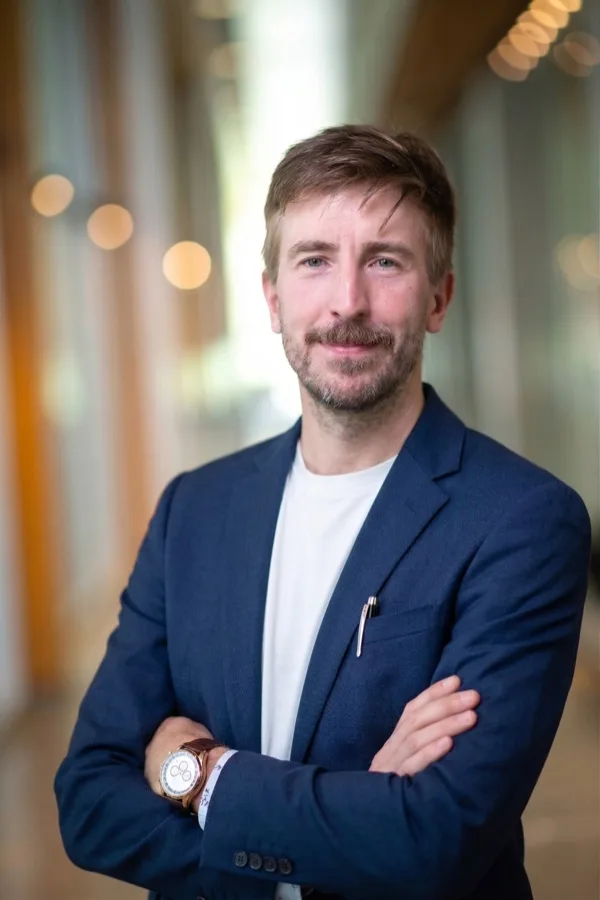
I’m interested in how people move, and in the tools we use to understand it. I’ve spent much of my work in biomechanics and engineering, from experiments in the lab to movement captured on video.
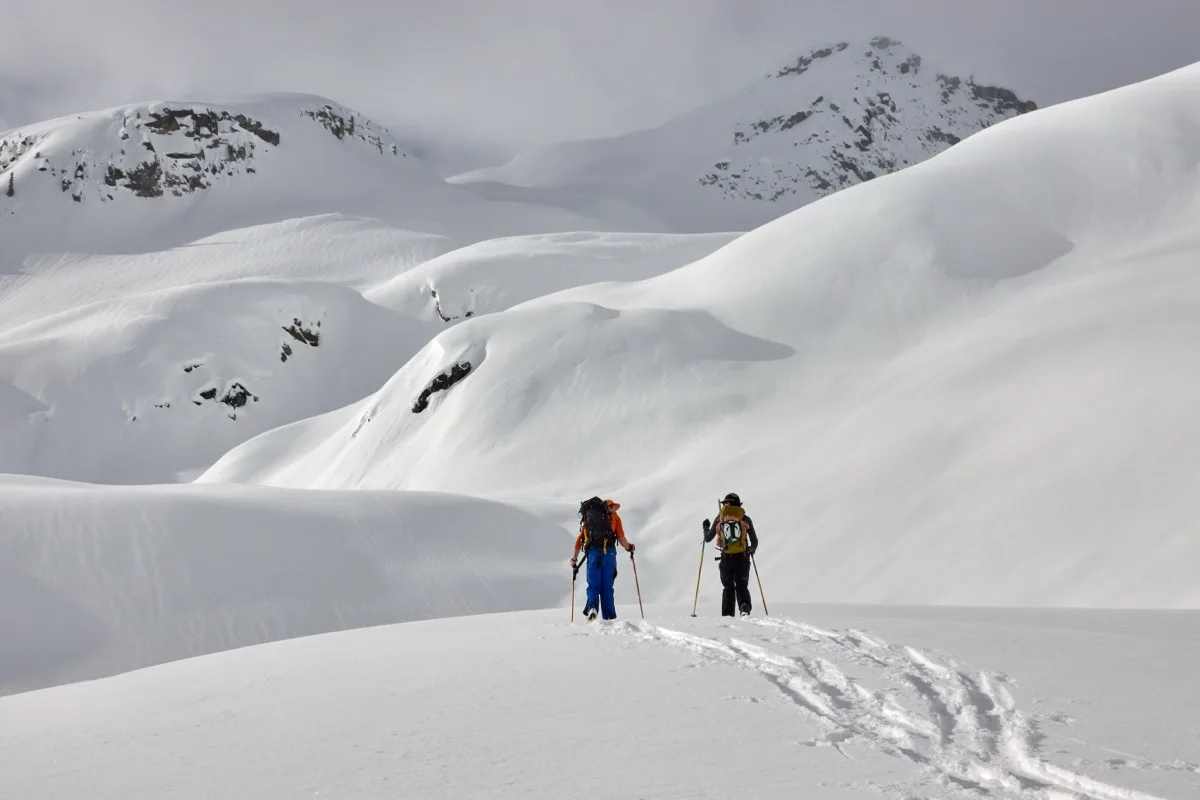
Oct 2026PaperSubmitted "Feasibility of Measuring Ski-Mountaineering Kinematics from Smartphone Video" to Scandinavian Journal of Medicine & Science in Sports.
Sep 2026PaperSubmitted "Criterion validity of heel-mounted inertial sensors for stride-length estimation" to PeerJ.
Jul 2026TalkThree oral presentations: two at the World Congress of Biomechanics (Vancouver, July 12) and one at the UBC Balance and Falls Research Centre Inaugural Research Symposium (July 10).
May 2026AwardWon 2nd place prize for talk “Biomechanics in the Wild” at the University of Victoria.
2025–2026TeachingMentored two UBC students through their fourth-year research projects.
Experiments, video analysis, and models from my work in human movement.
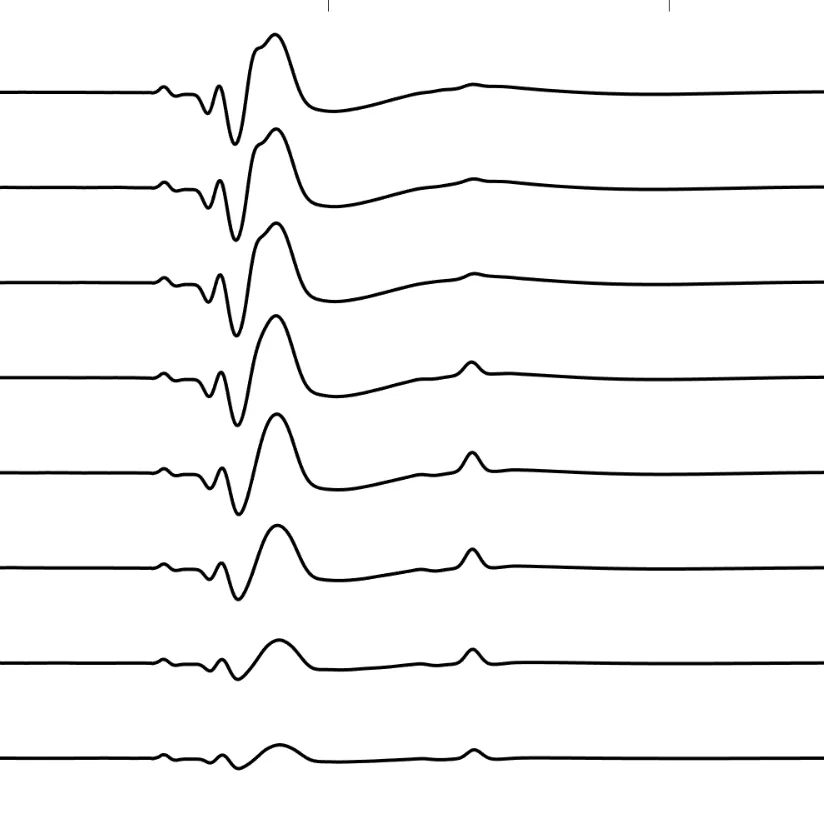
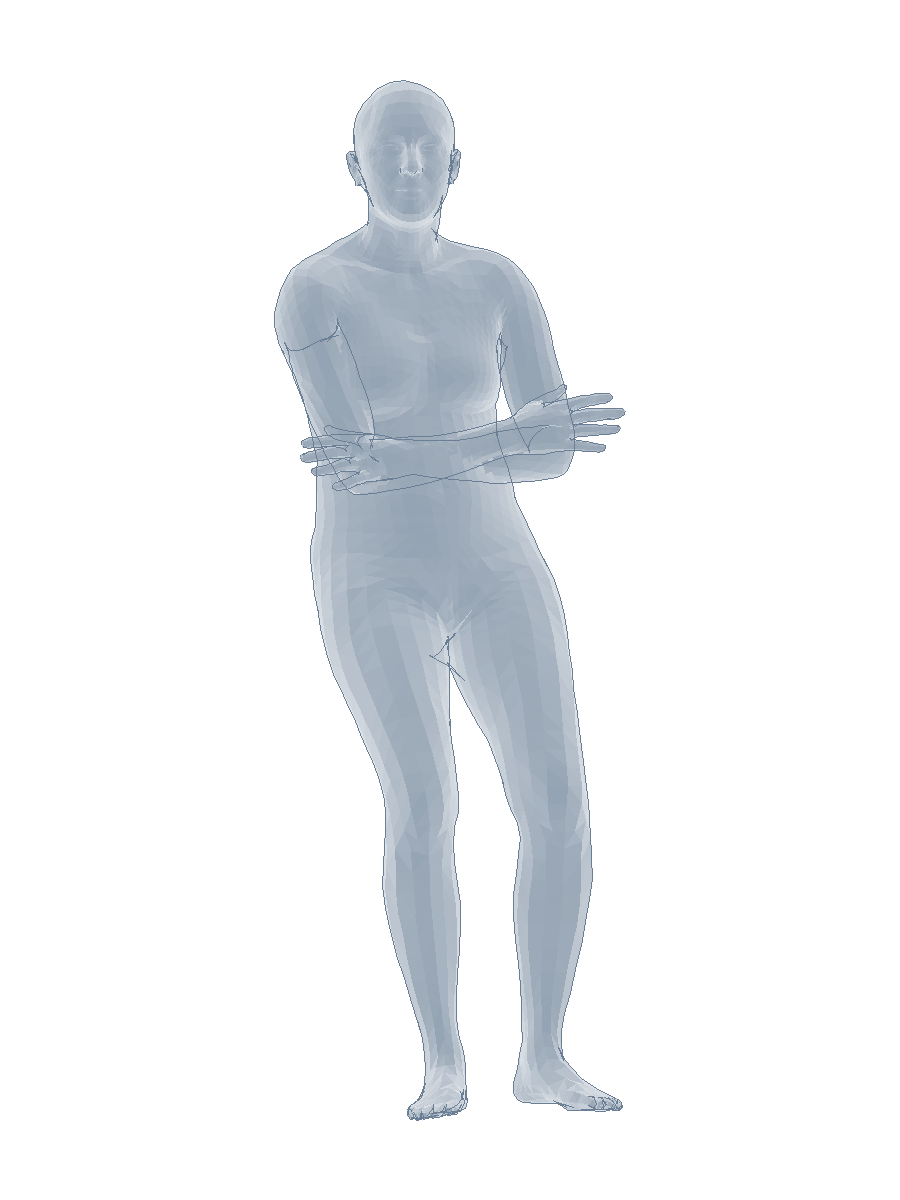
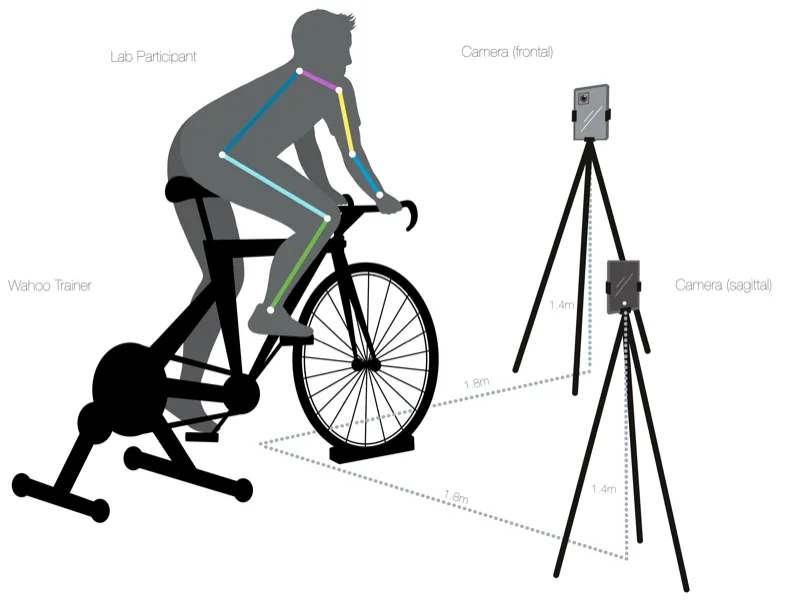
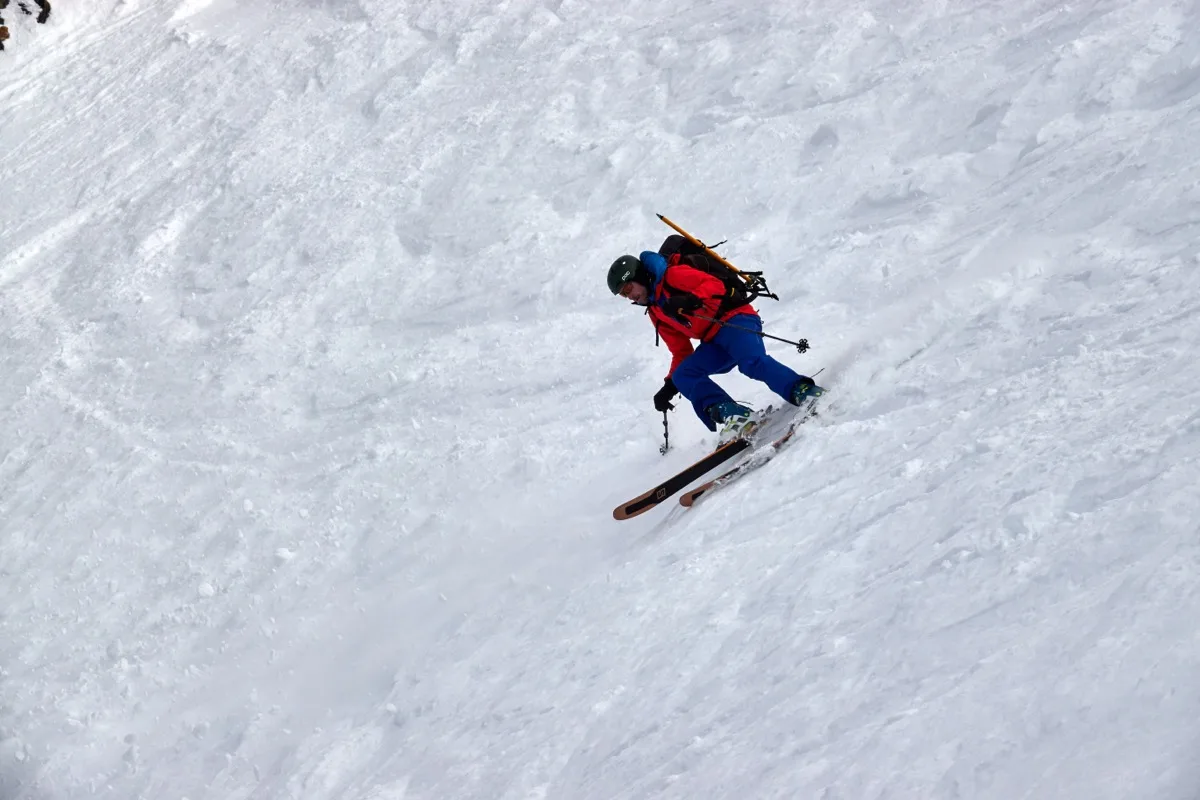
Running from videoTrack body position through each stride.Walking patternsFollow joint movement through the gait cycle.Movement outdoorsBring video analysis to skiing in the field.
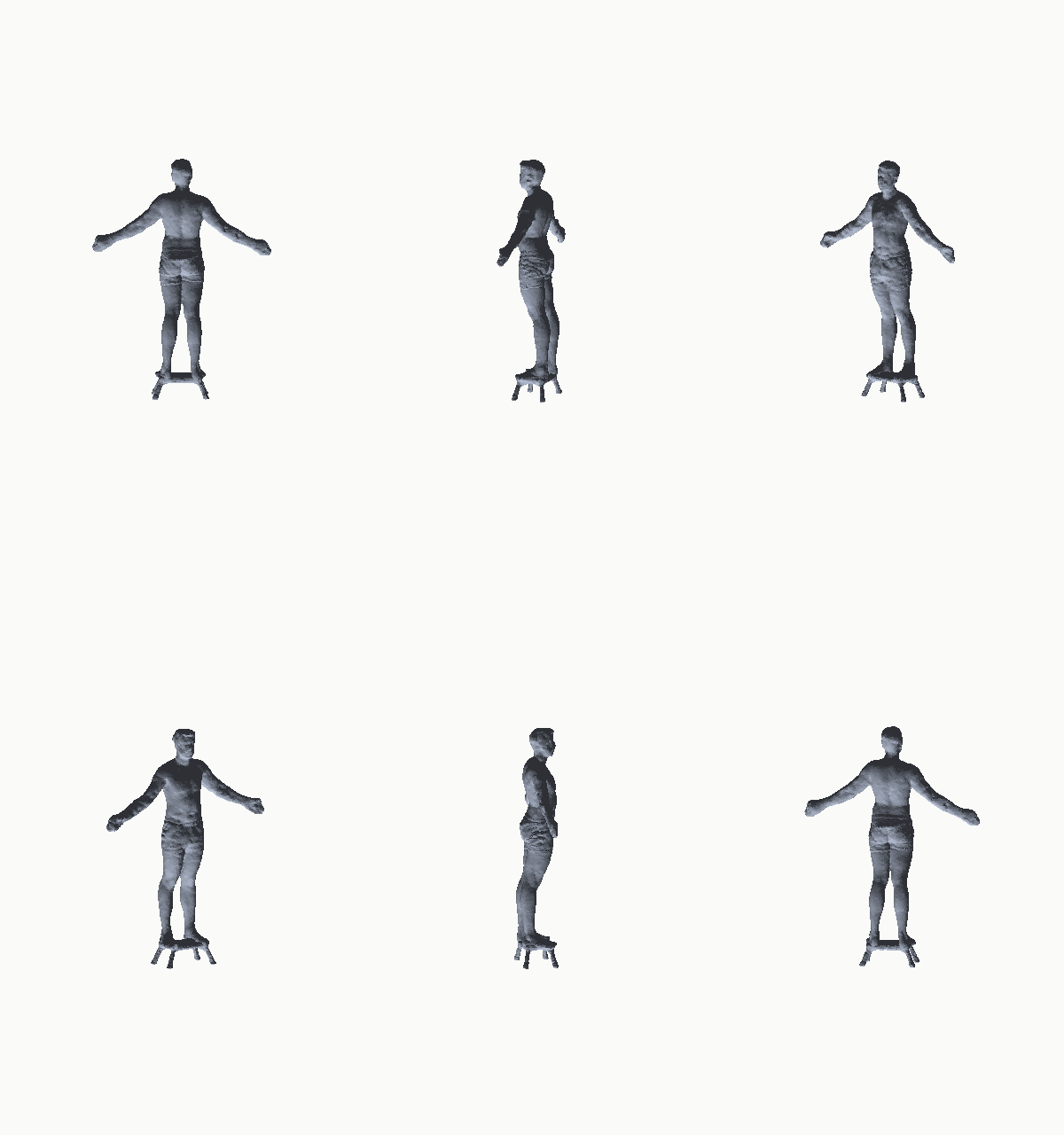
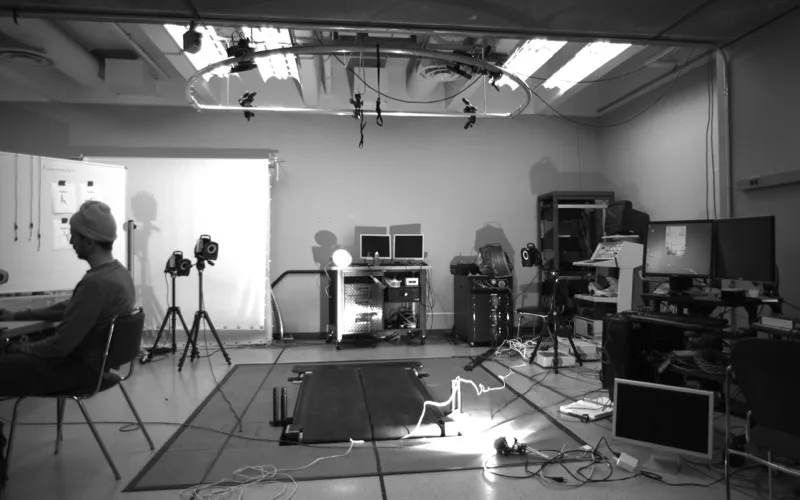
Body shape in 3DUse body scans to describe individual geometry.
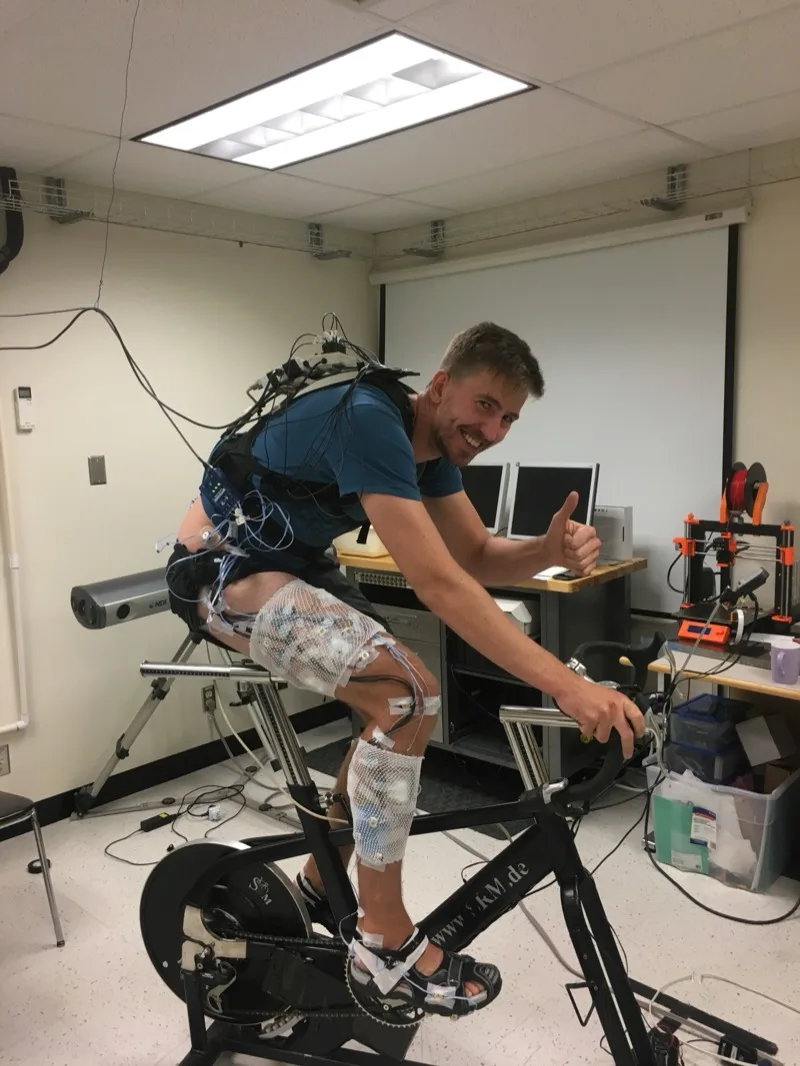
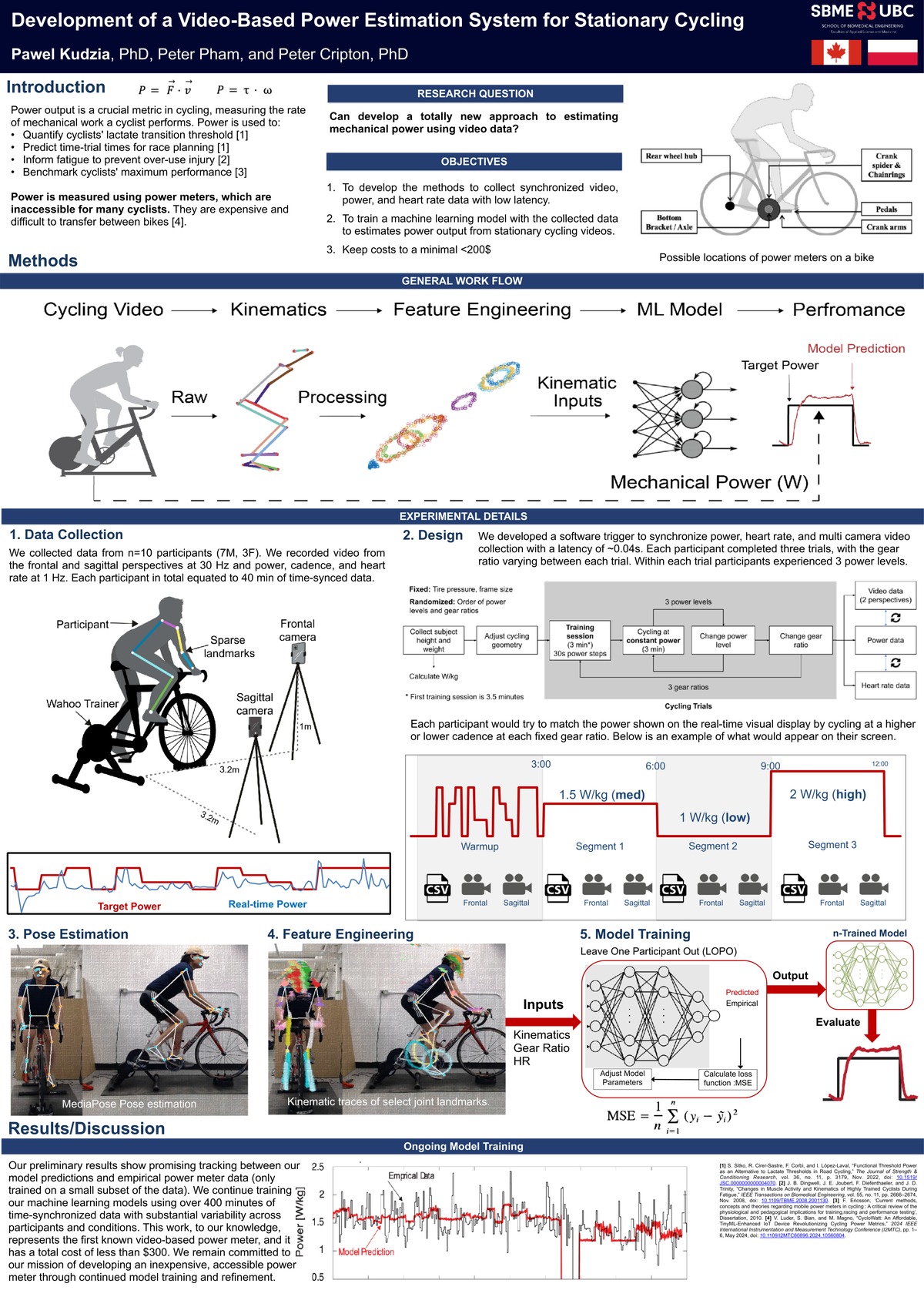
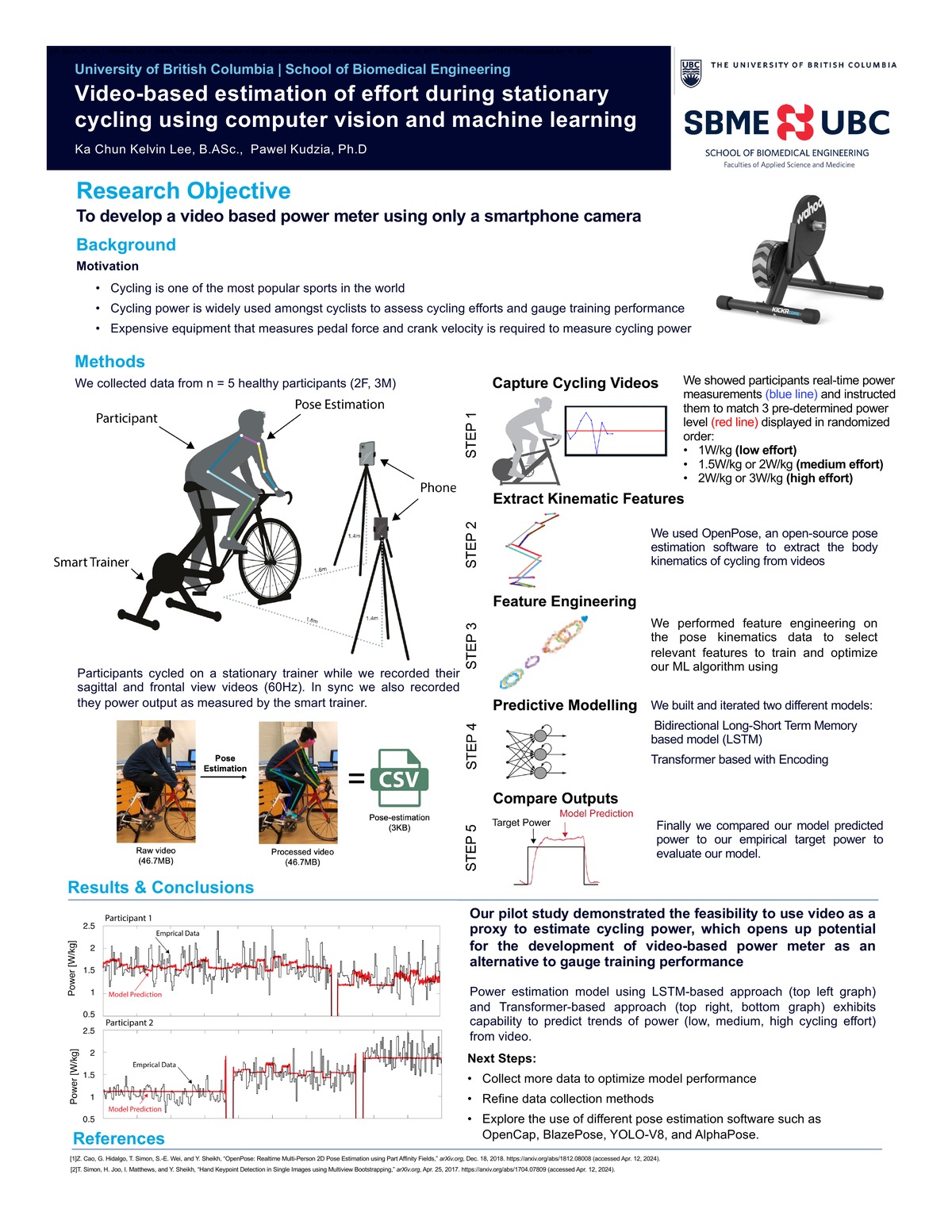
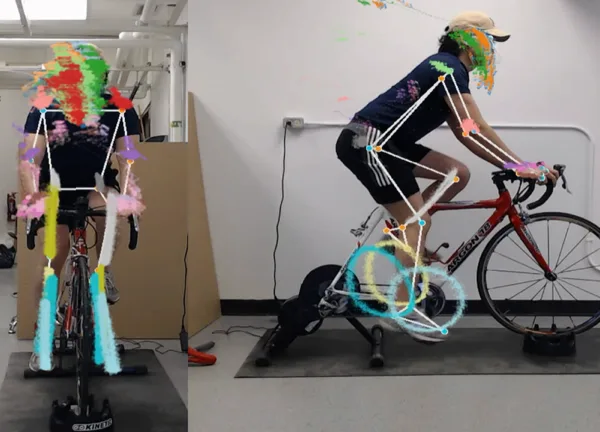
Modelling leg forcesConnect joint motion with forces through a mechanical model.Cycling motionTrace how the body moves through each pedal stroke.
I study how people move and develop ways to measure that movement outside a traditional lab. My work combines experiments with people, video analysis, and wearable sensors. The aim is to help researchers, clinicians, and sport teams answer practical questions with measurements they can trust. I share methods through publications, open-source tools, and teaching, and bring that work into products through CoreMotion.
01
Video-Based Biomechanics
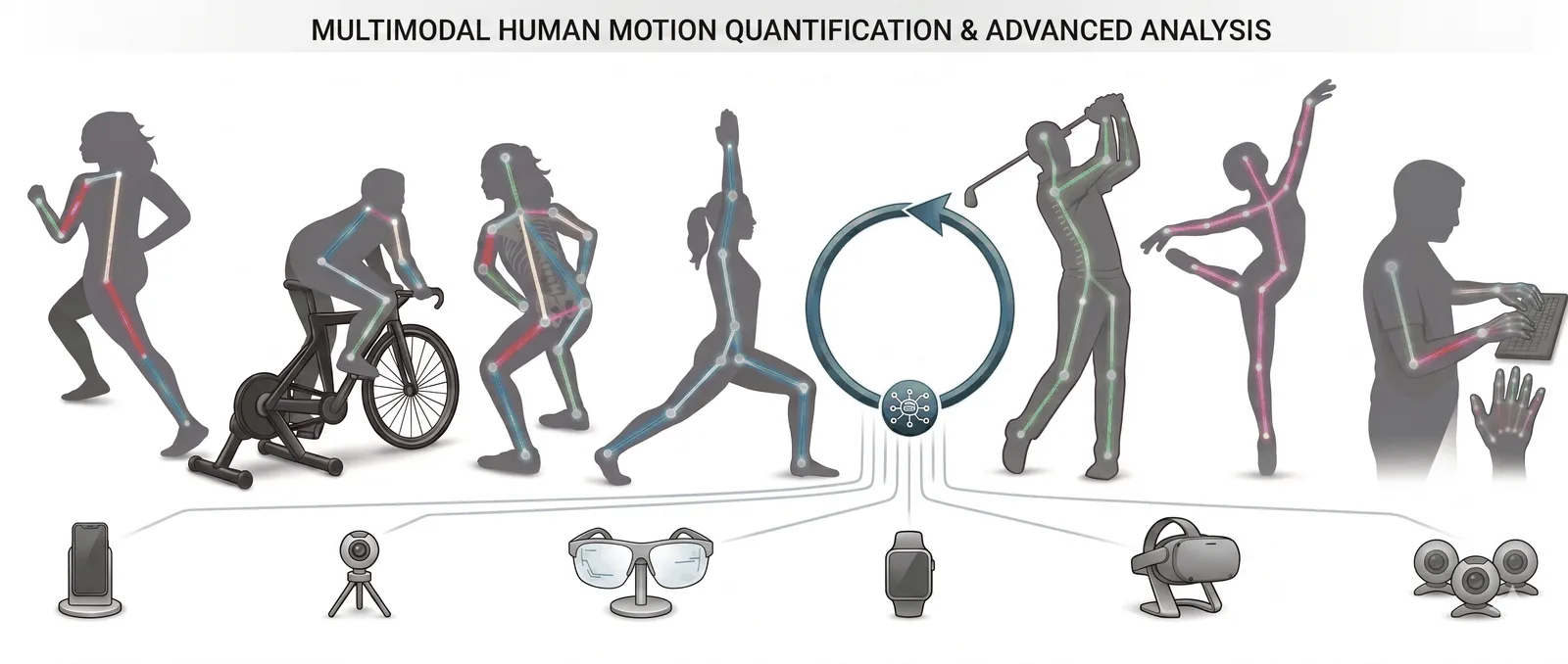
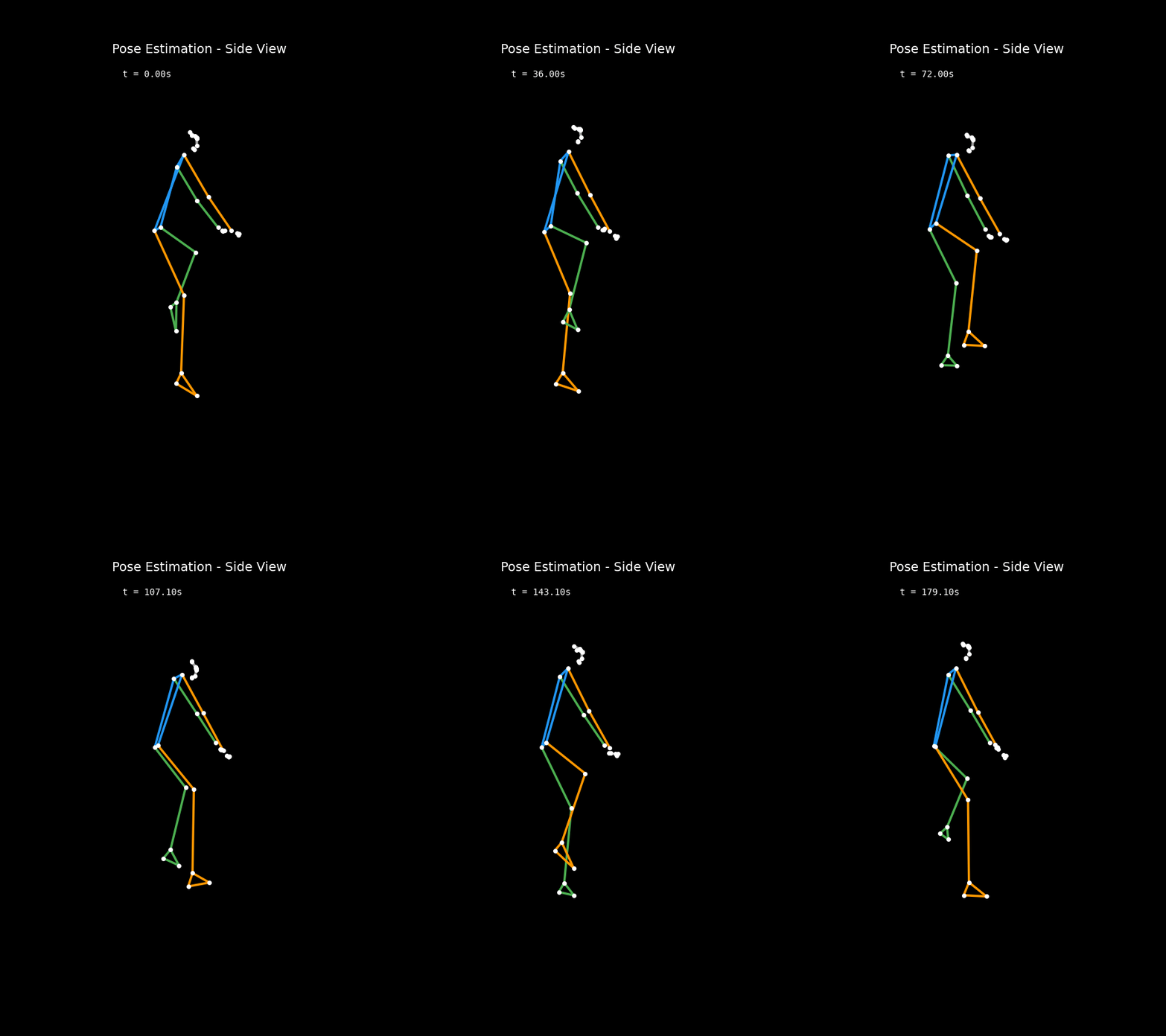
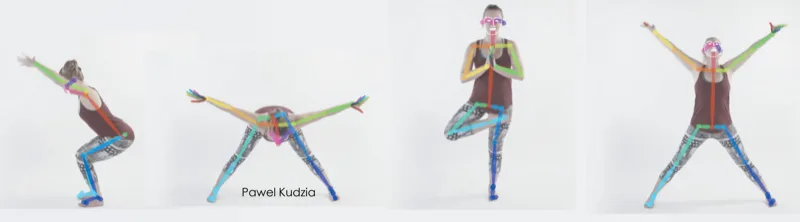
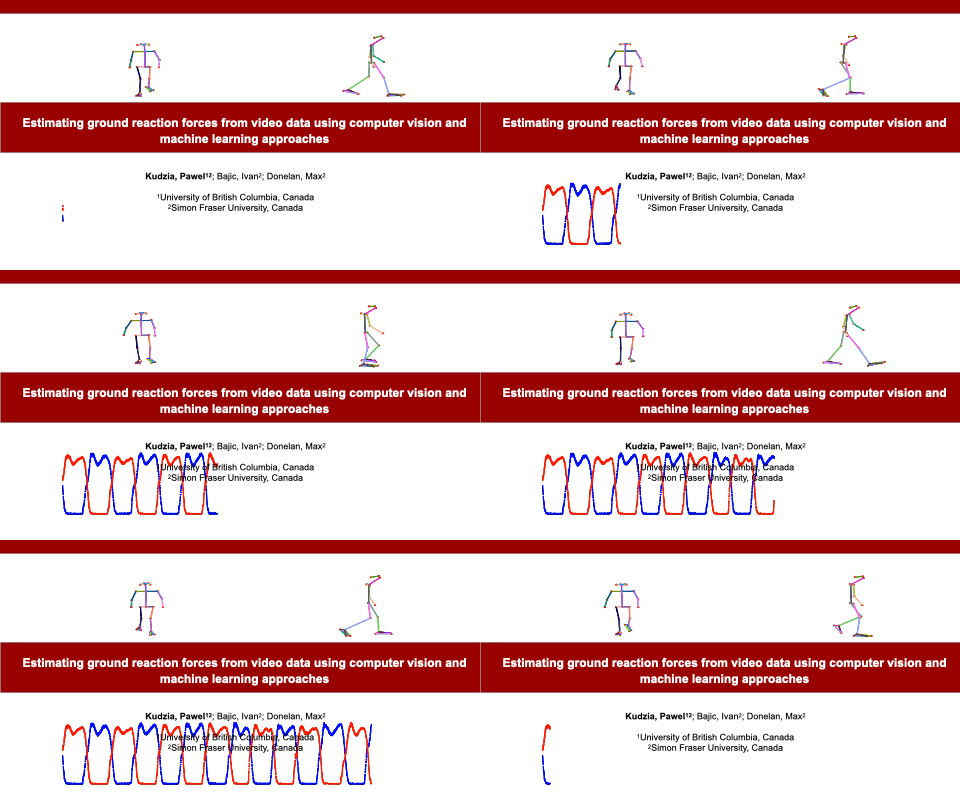
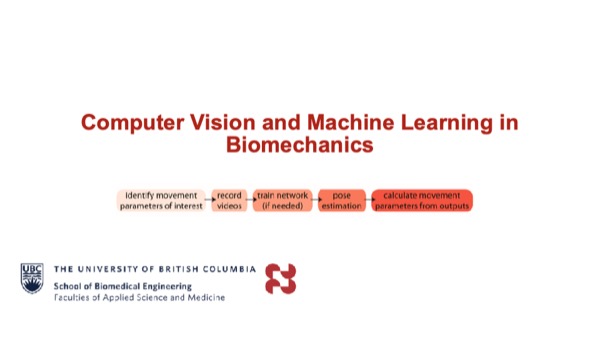
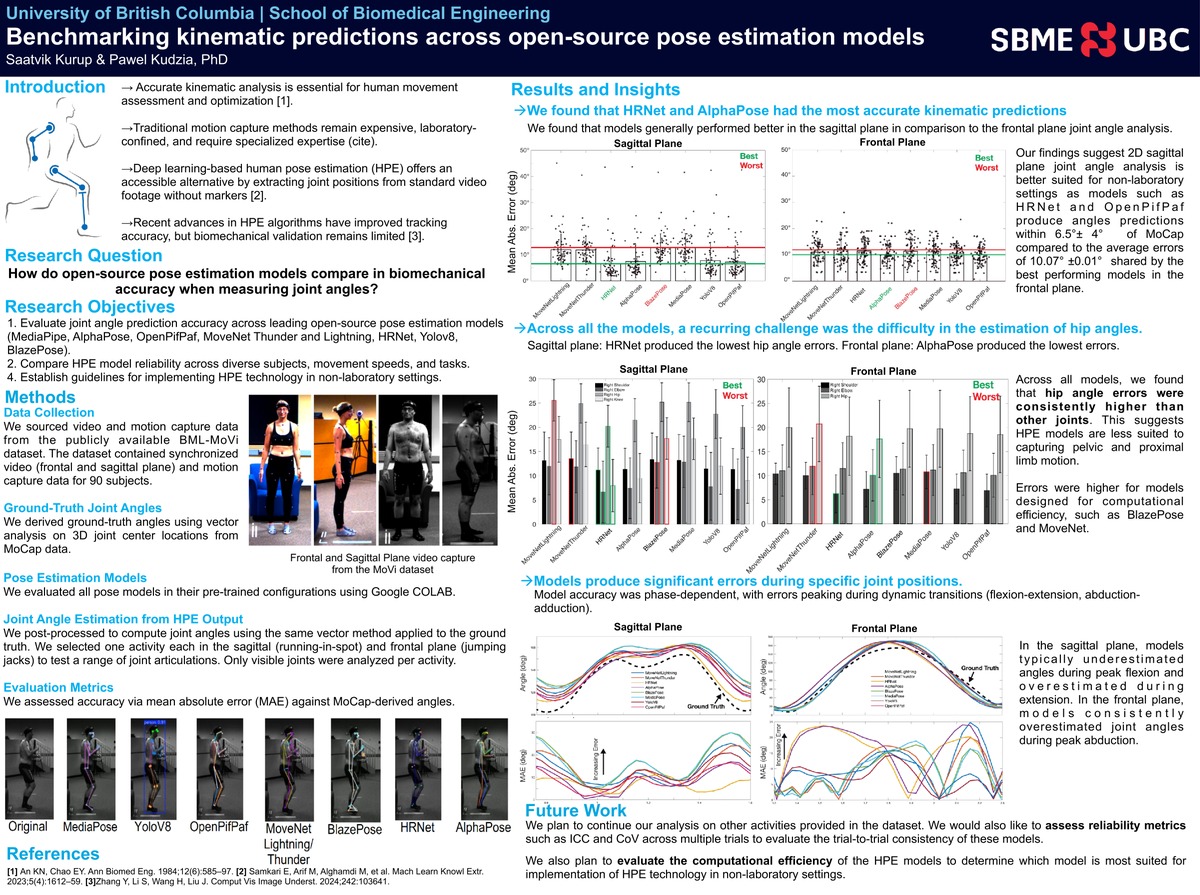
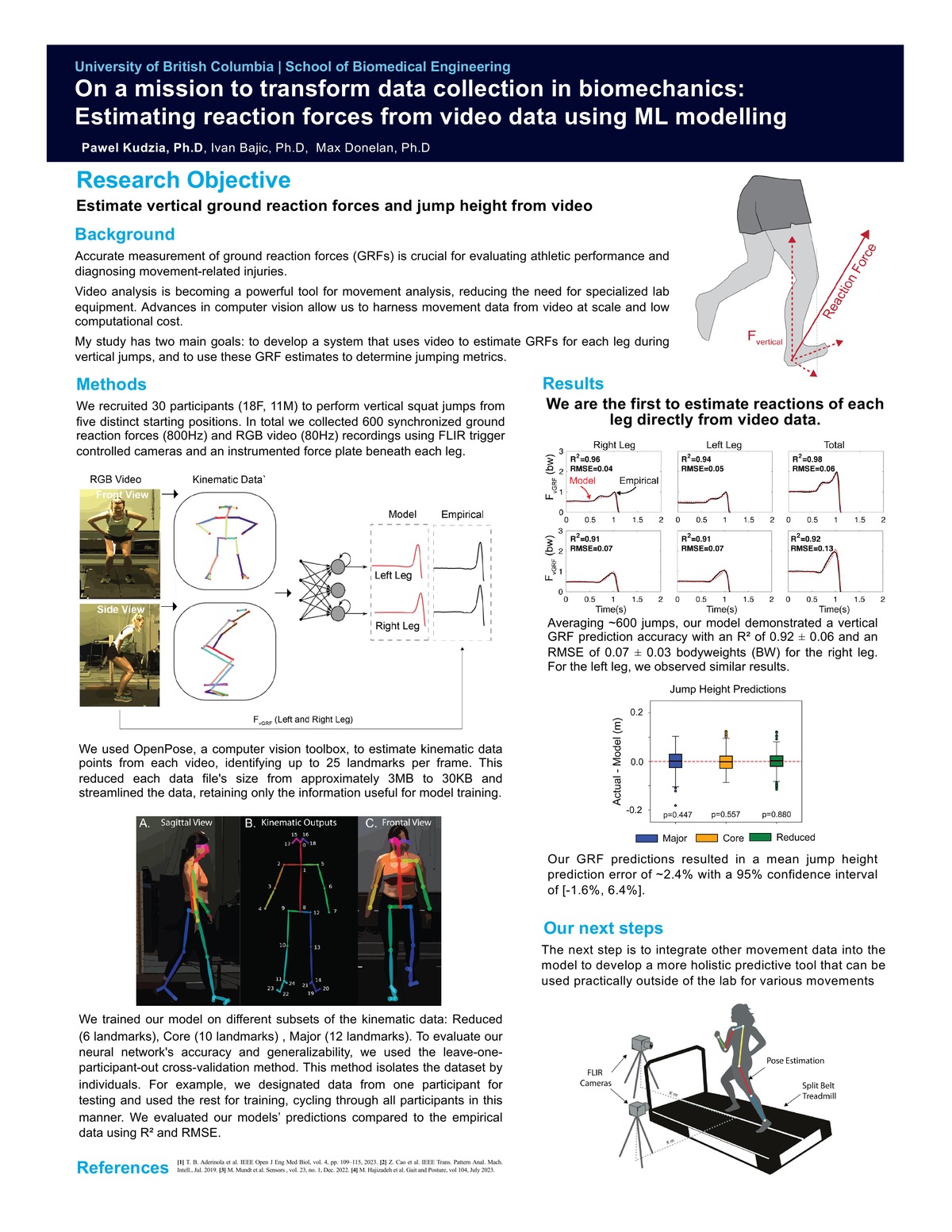
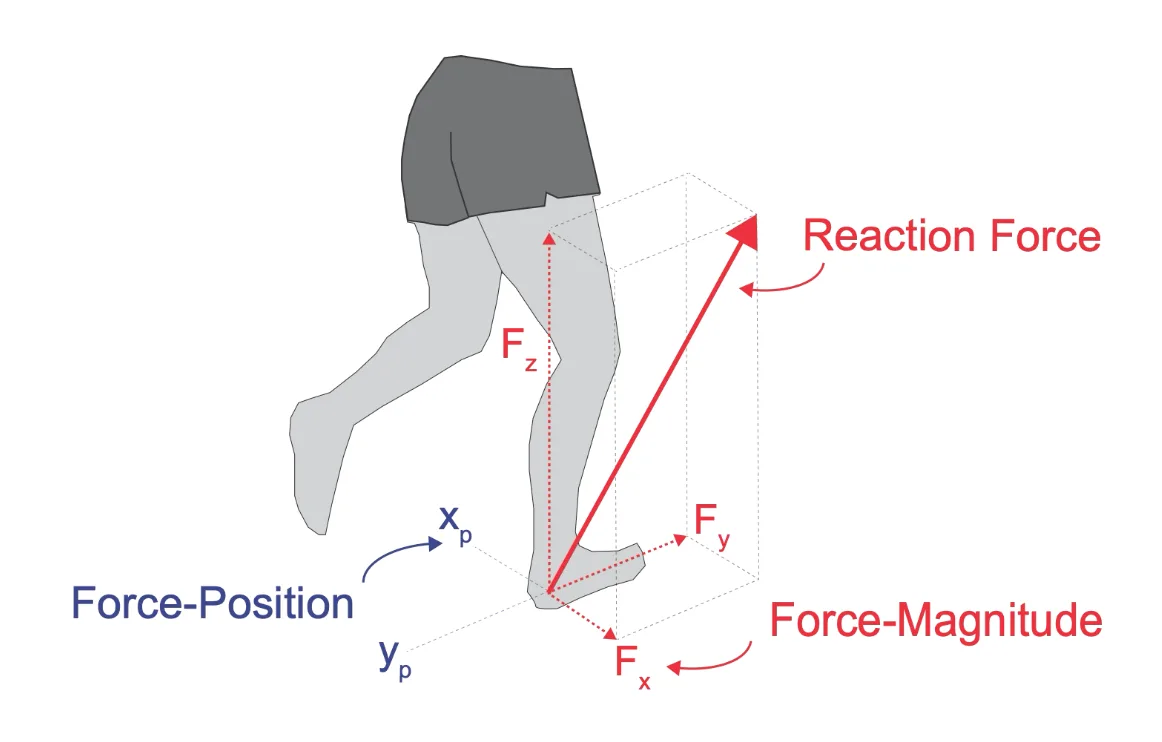
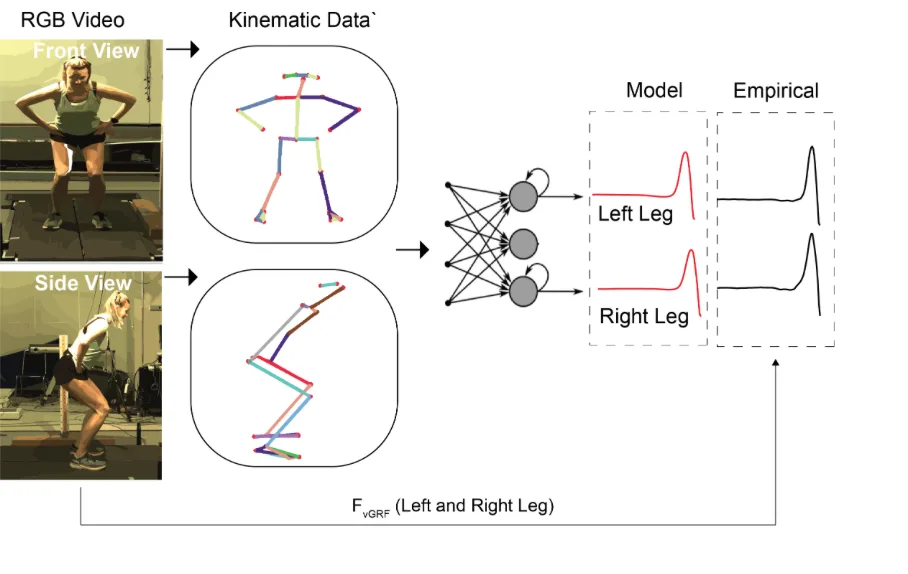
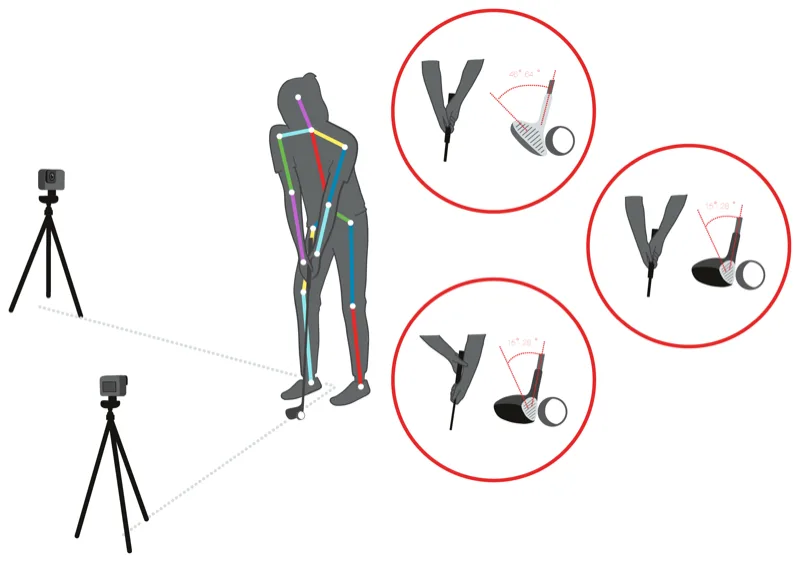
Video cameras are everywhere, from phones to clinics and gyms. I use video to collect movement data, then apply computer vision and machine learning to extract metrics that usually require expensive lab equipment, including ground reaction forces, joint kinematics, and full-body kinetics.
I build video-driven health tools for use outside the lab. 3D body scanning captures individual anatomy quickly, and real-time biofeedback supports fall prevention, stroke recovery, and sport rehabilitation. The goal is to move movement science into the clinic, the gym, and the home.
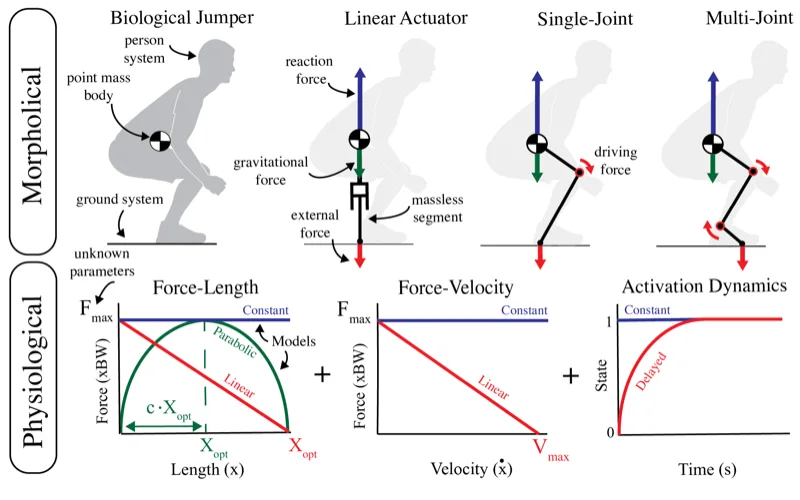
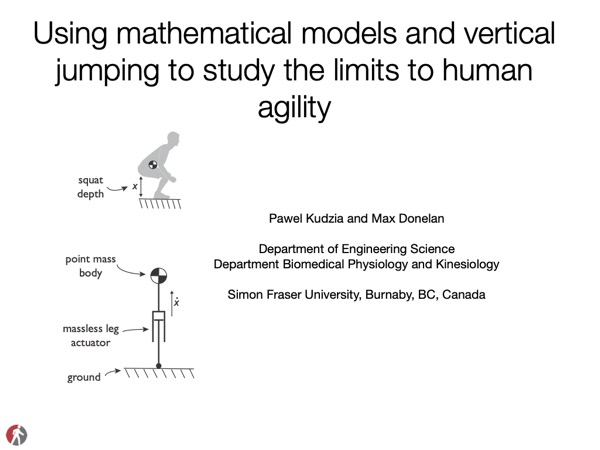
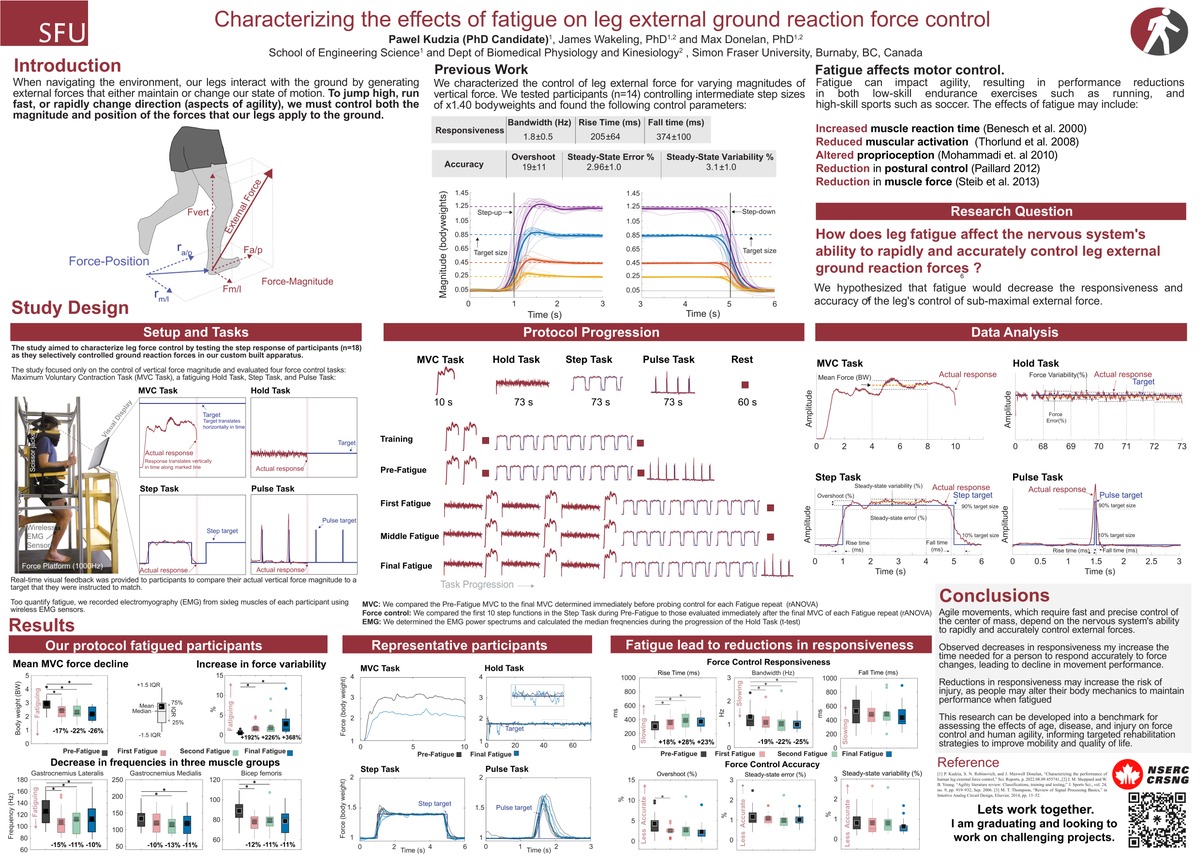
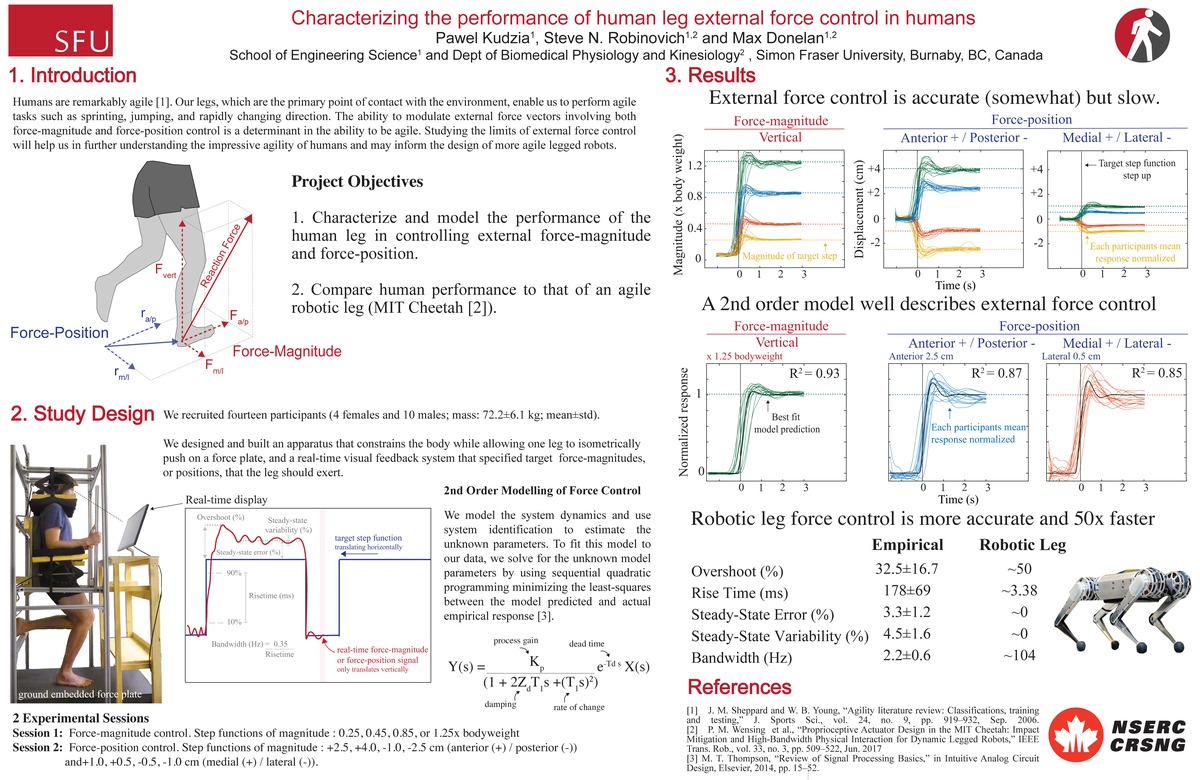
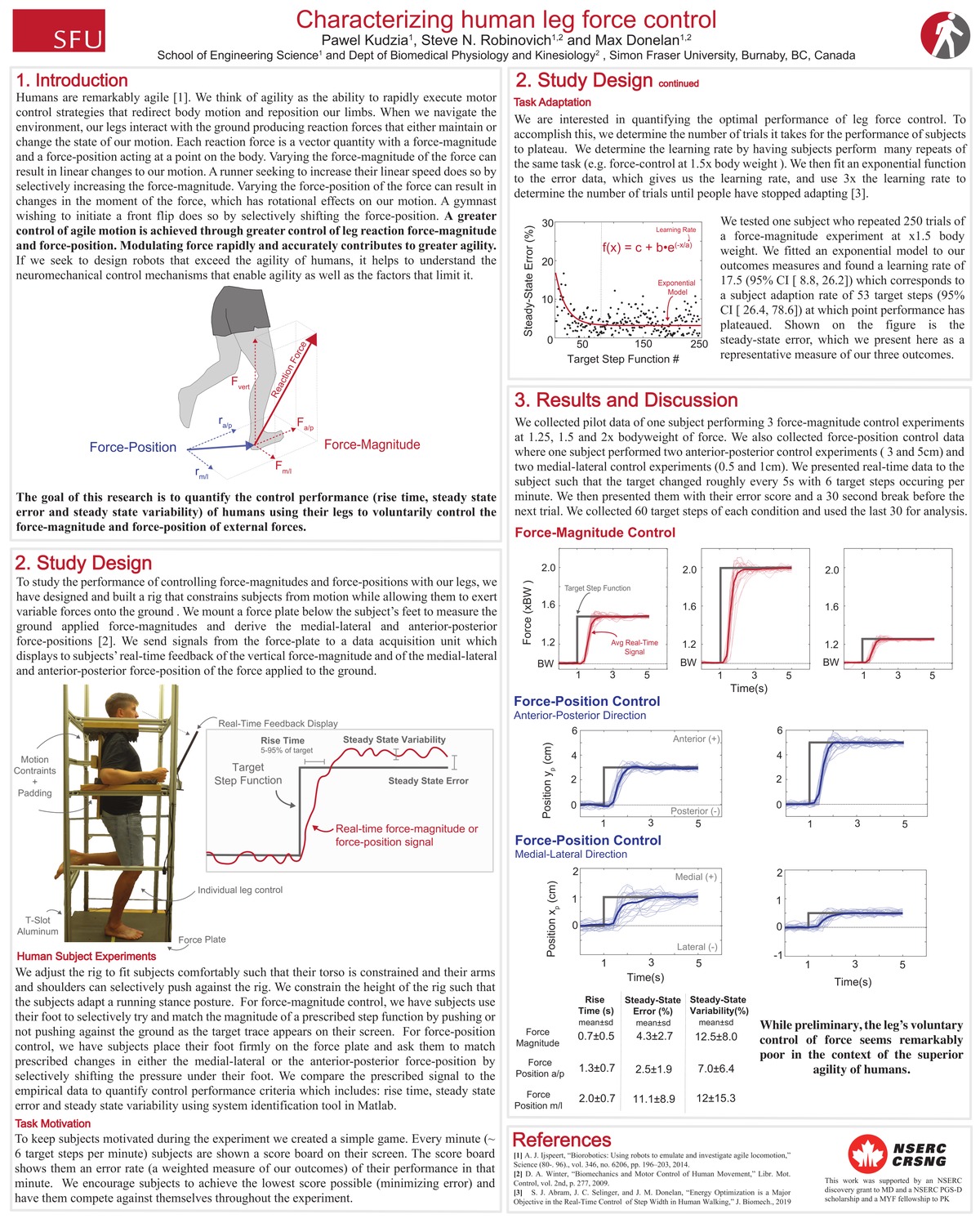
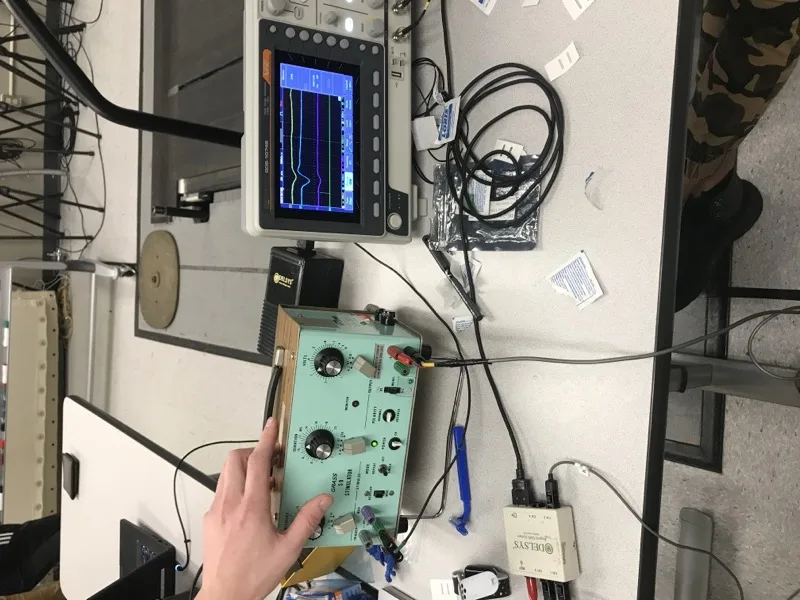
I study how the nervous system controls leg forces and how that control changes with age. Custom experimental rigs quantify the limits of force control, and physics-based models reveal constraints on movement performance. This work informs the biofeedback design behind the video and wearable tools above.
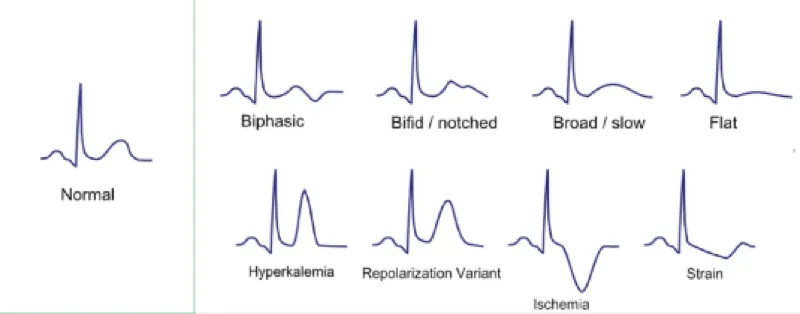
NeuromechanicsEMGComputational ModelsAging
Published in Physiological Reports and Scientific Reports
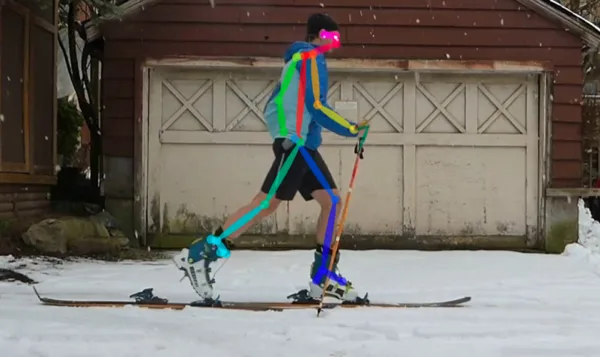
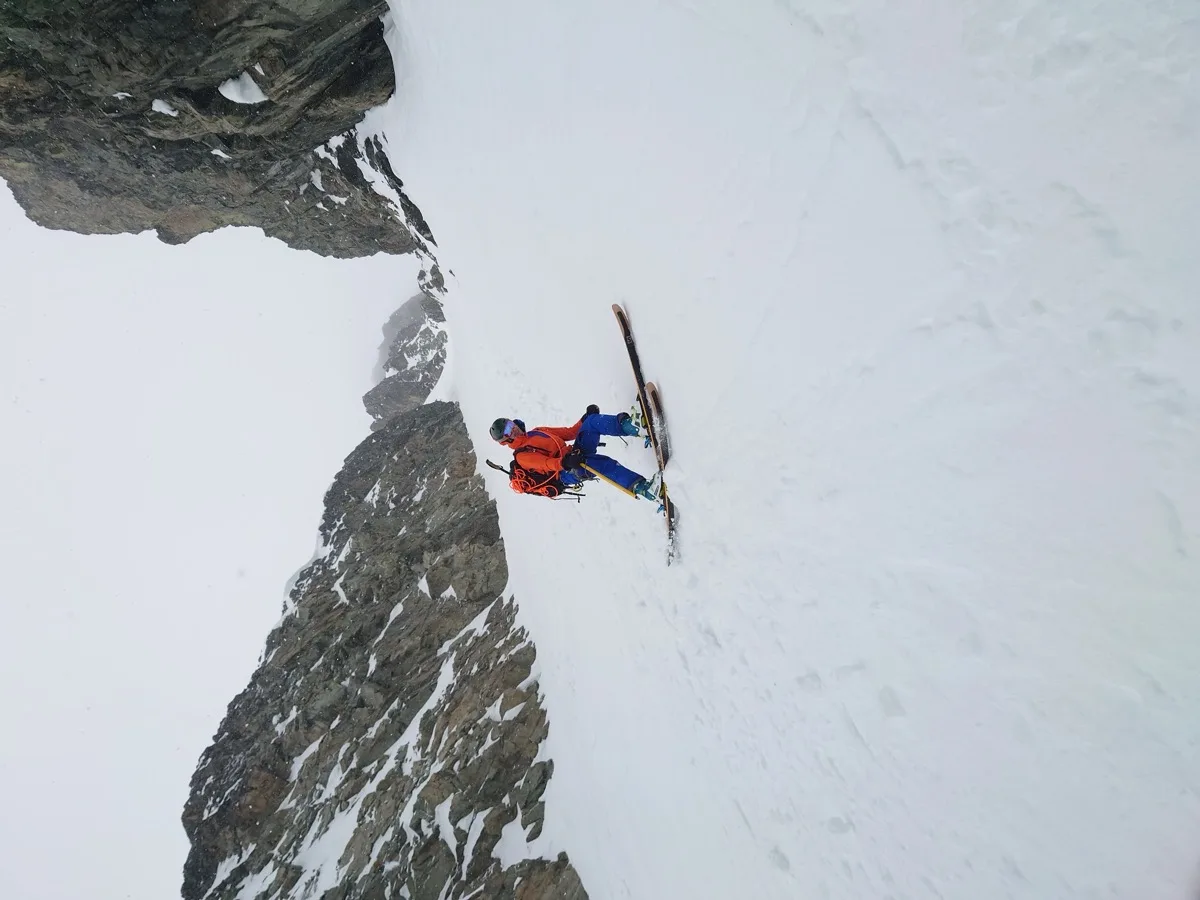
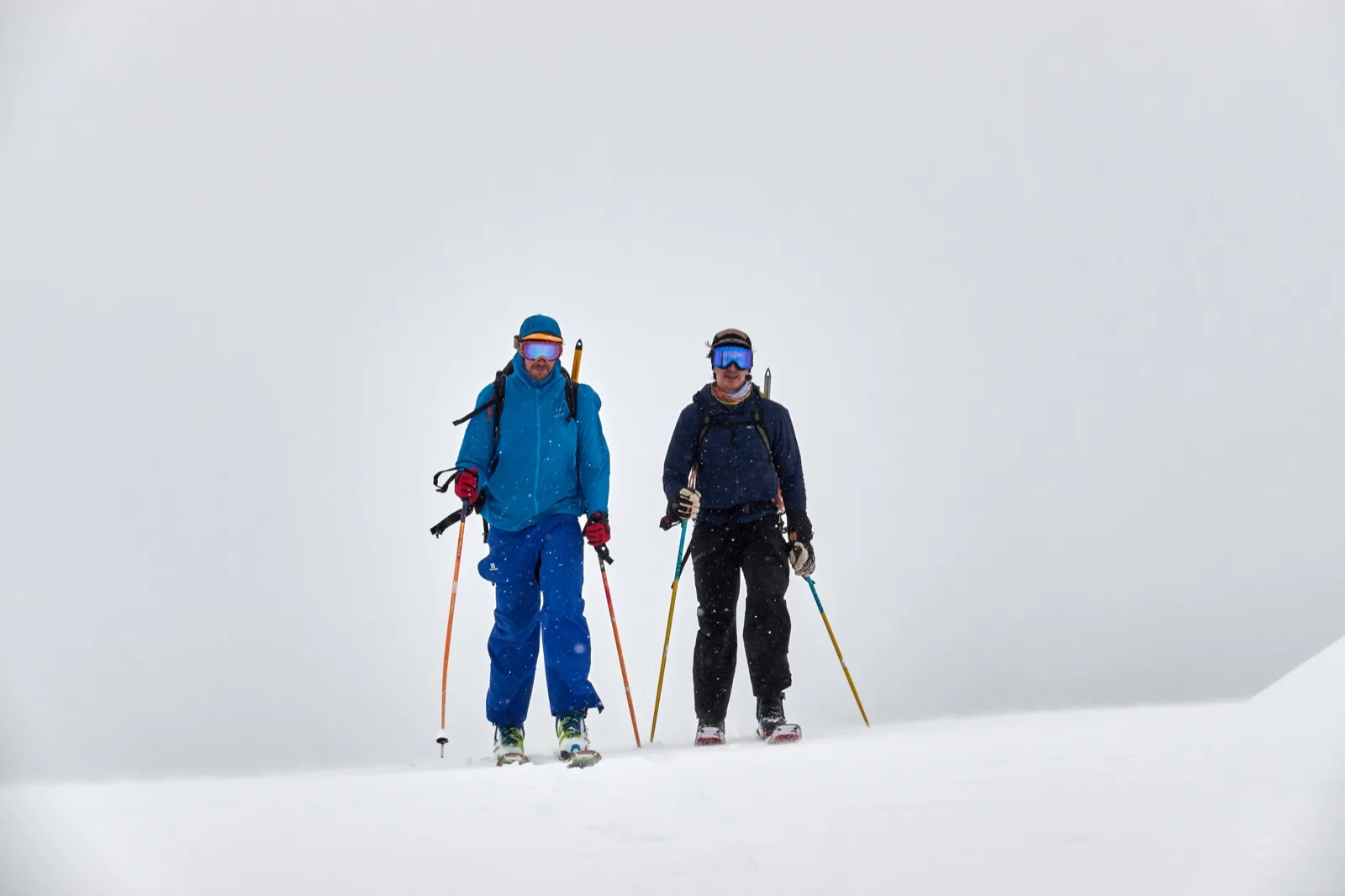
Feasibility of Measuring Ski-Mountaineering Kinematics from Smartphone Video
Evaluated a smartphone-video workflow for measuring ski-mountaineering movement in field recordings.
Kudzia P., Clements N., Carter E., Cripton P.A. Scandinavian Journal of Medicine & Science in SportsUnder review · Submitted Oct 2026
Criterion validity of heel-mounted inertial sensors for stride-length estimation during single- and dual-task walking in older adults with and without cognitive impairment
Validated heel-mounted IMU stride-length estimates against an instrumented walkway in 32 older adults across 10,472 strides.
Kudzia P., von Hacht M., Sheikhi M., Commandeur D., Klimstra M., Hundza S. PeerJUnder review · Submitted Sep 2026
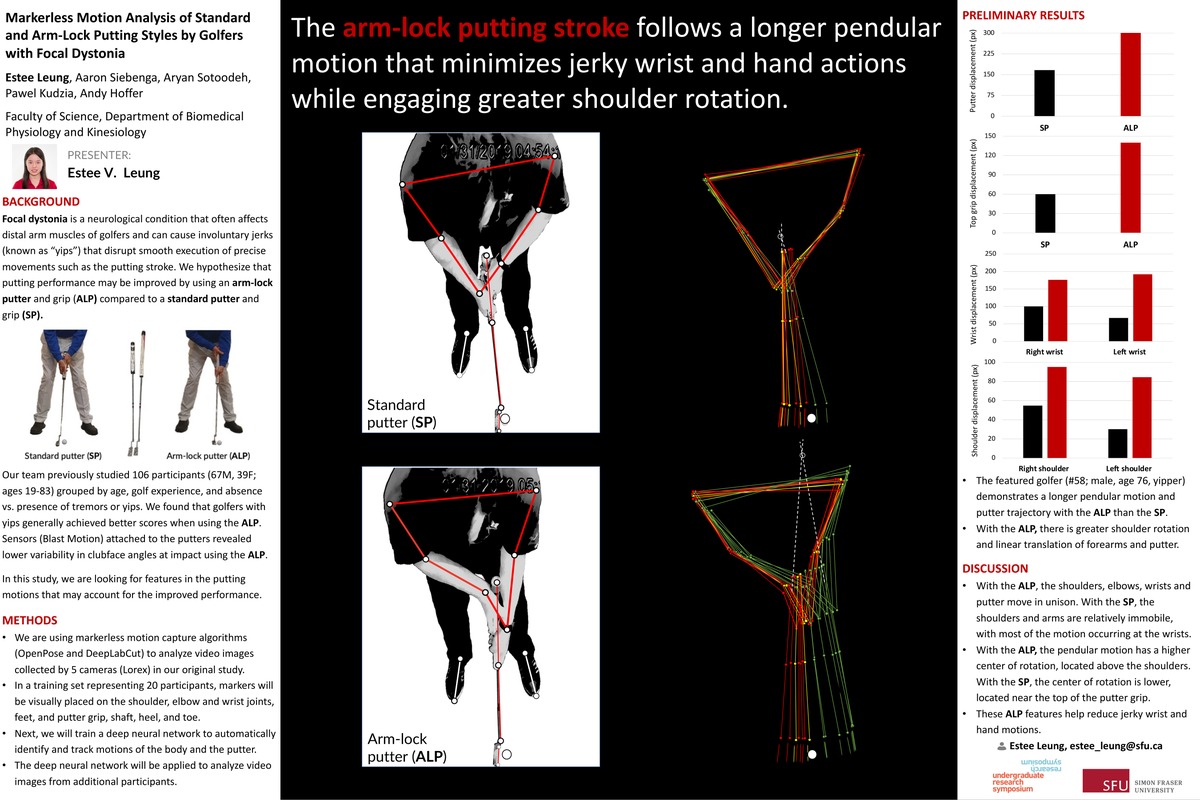
Used computer vision to track head and torso motion during side impacts. Built a video analysis pipeline to quantify how muscle co-contraction changes head motion relative to the torso during lateral impacts.
Kudzia P., Booth G.R., Reynier K., Panzer M., Cripton P.A. Annals of Biomedical EngineeringUnder review · Resubmitted Sep 2026
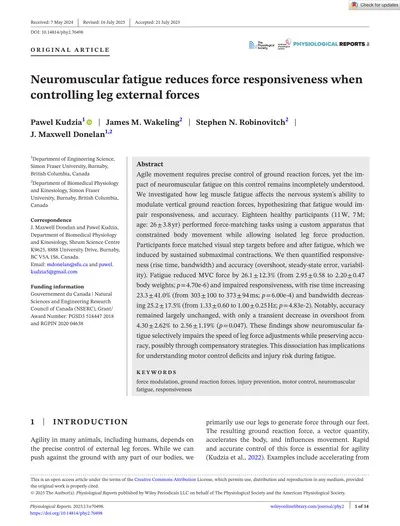
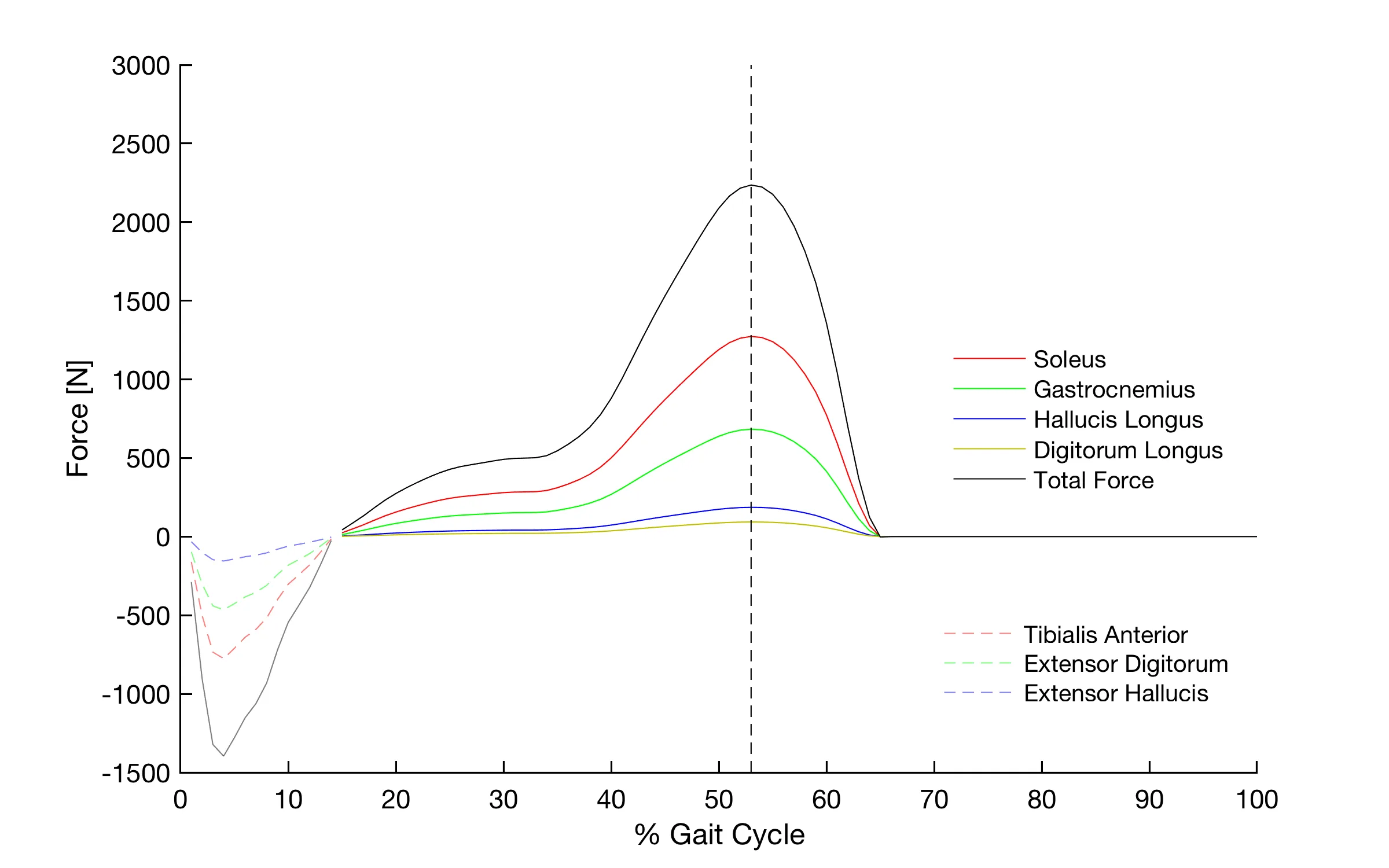
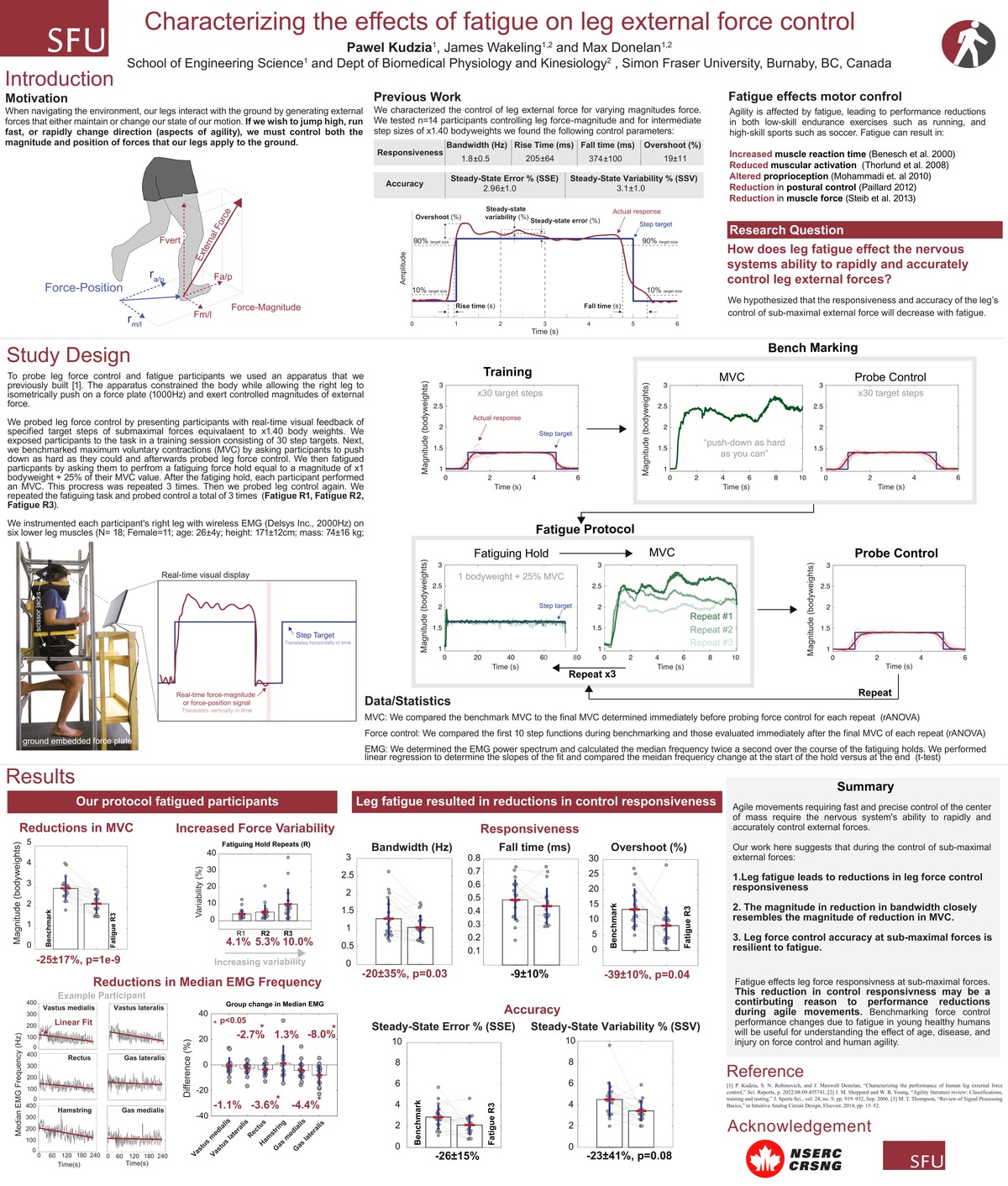
Built a custom force platform system to measure how muscle fatigue changes the way people control leg forces. Designed the experiment, ran participants through fatigue protocols, and analyzed the neuromuscular data.
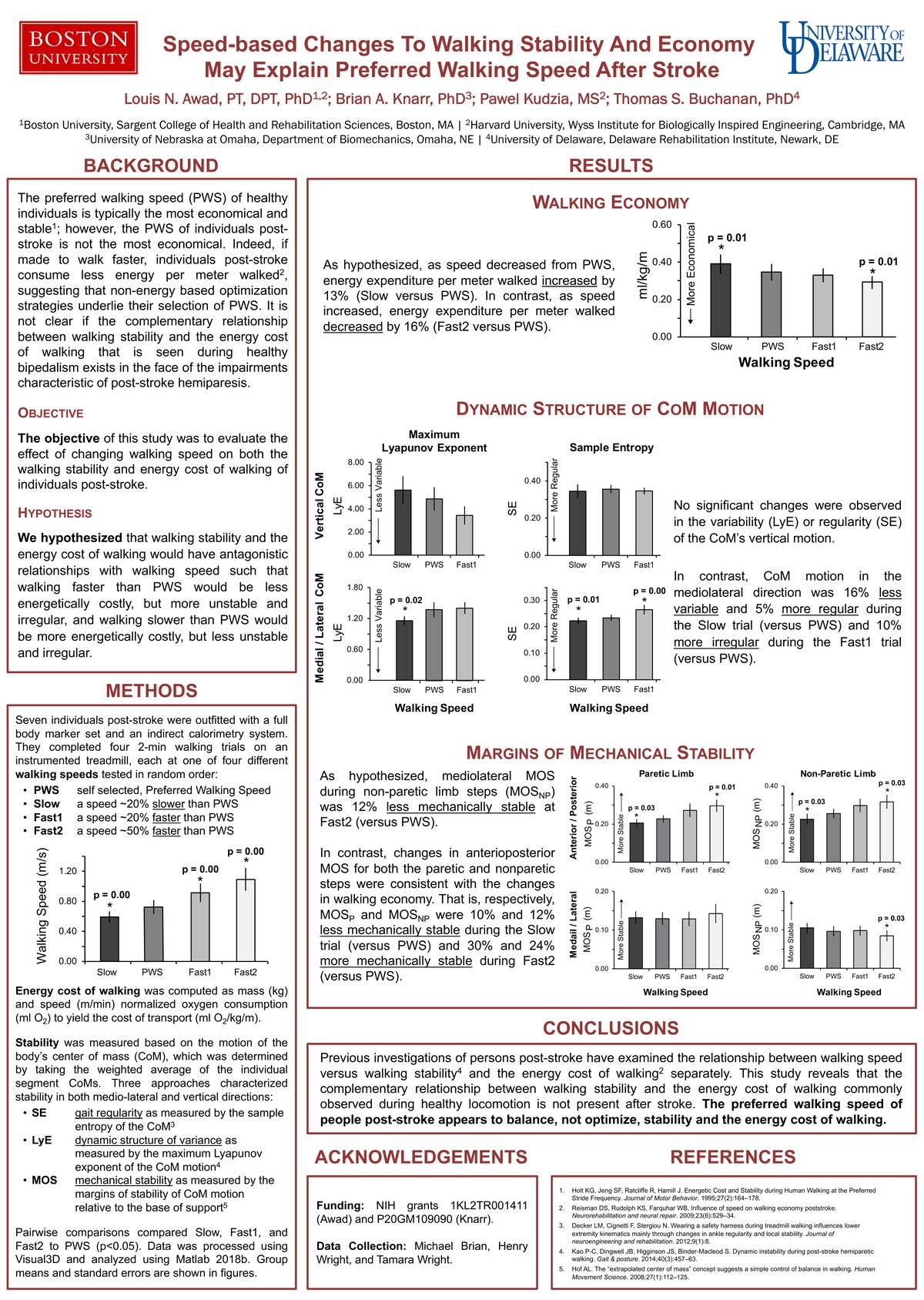
Analyzed clinical walking data from stroke patients to understand the tradeoffs between walking speed, energy cost, and balance. Quantified how these factors interact during rehabilitation.
Awad L., Knarr B., Kudzia P., Buchanan T. Journal of Neurologic Physical Therapy2023
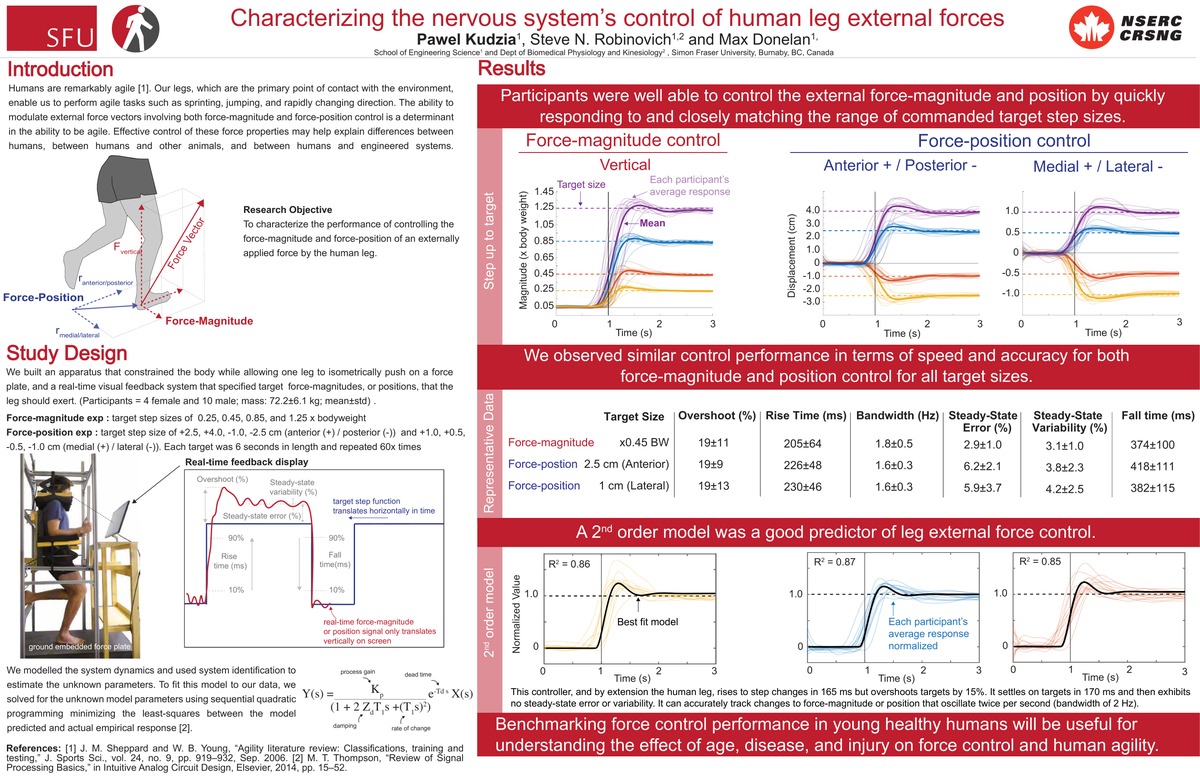
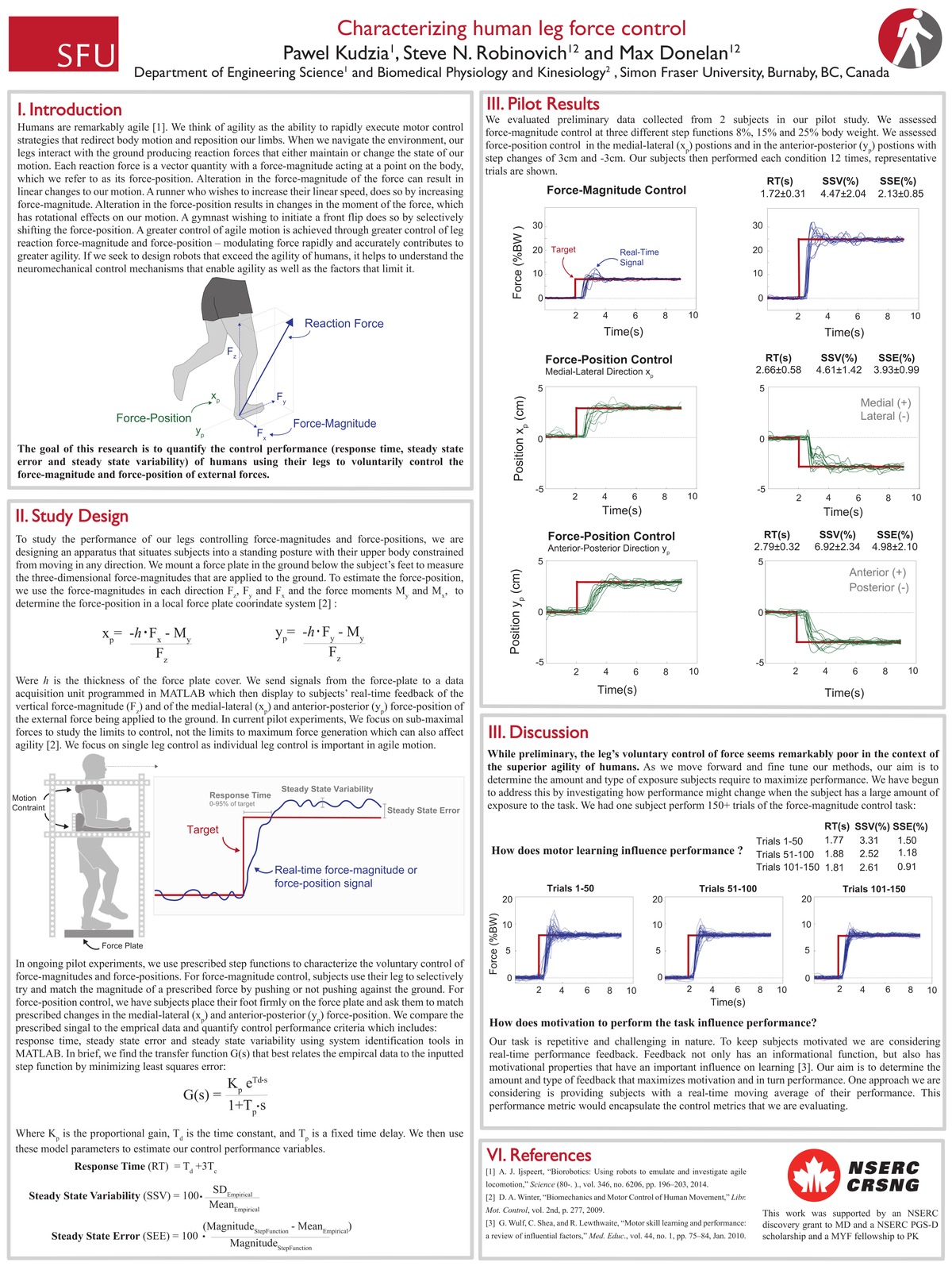
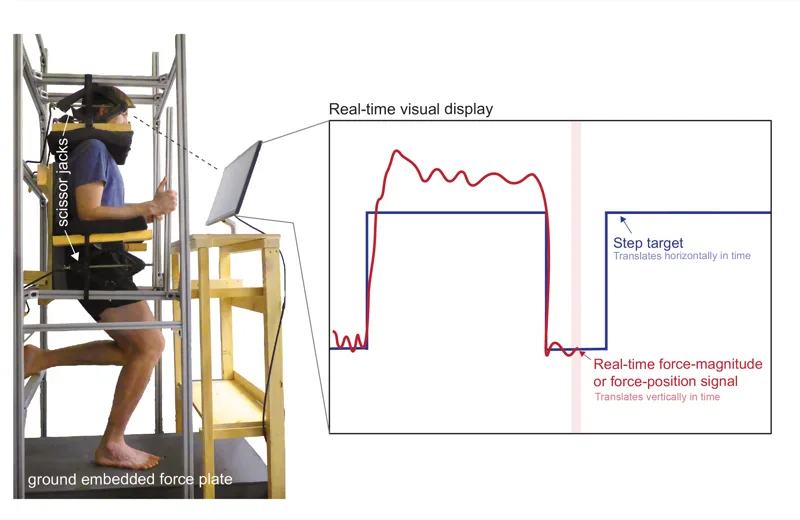
Designed and built a custom force control apparatus to test the limits of human leg force production. Collected and analyzed data from participants performing precision force tasks under varying conditions.
Kudzia P., Robinovich S., Donelan M. Scientific Reports2022
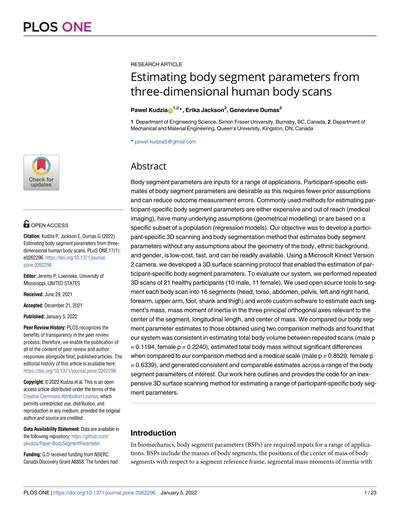
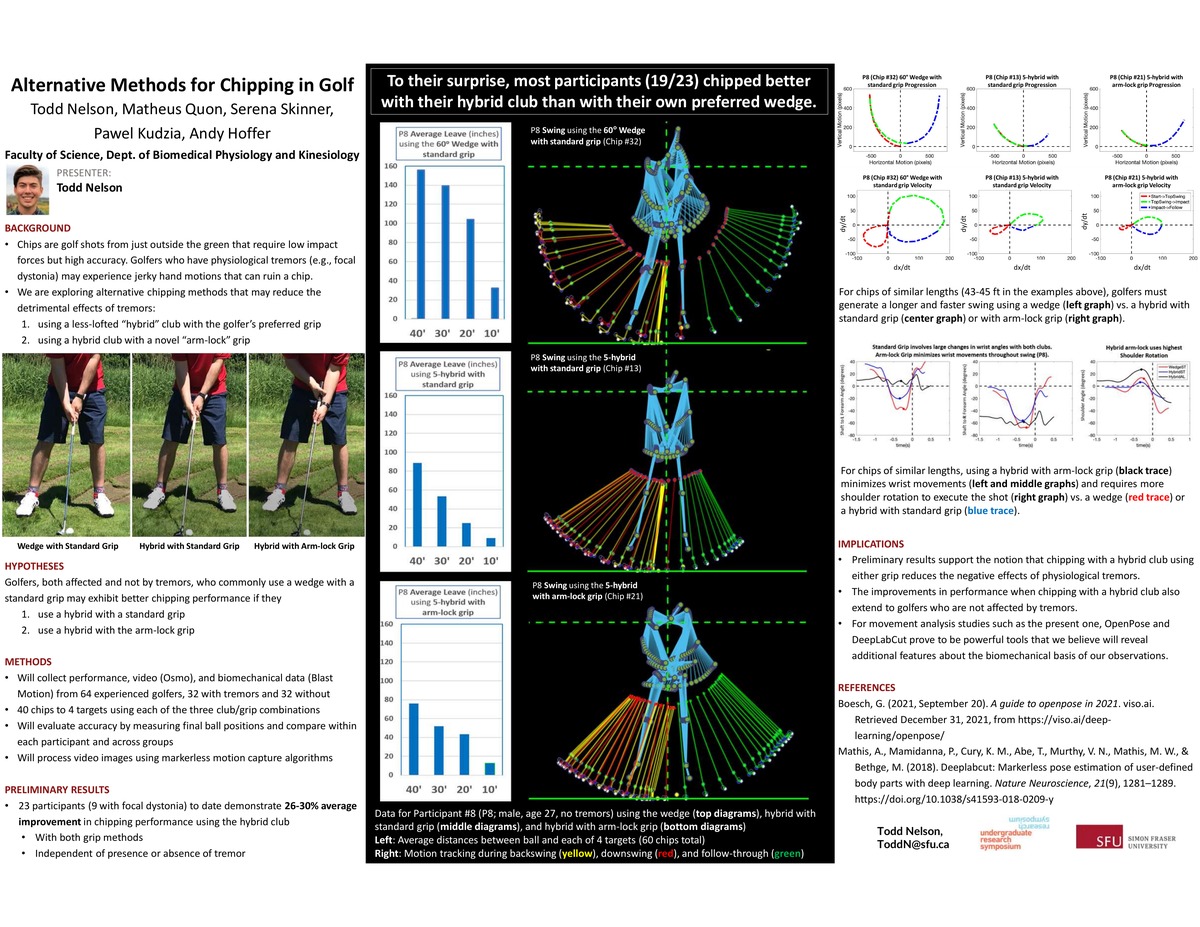
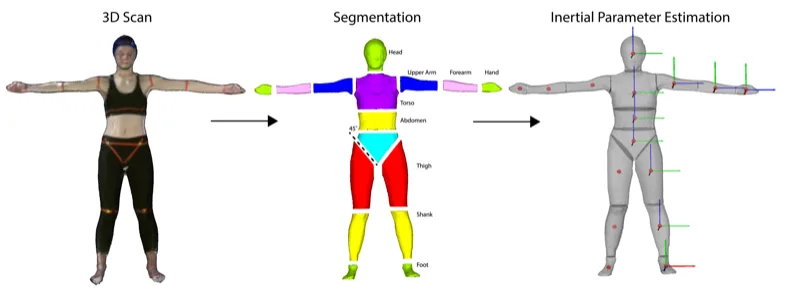
Built a processing pipeline to extract biomechanical body segment parameters from 3D body scans. Replaced traditional regression methods with direct measurement from point cloud data.
Kudzia P., Jackson E., Dumas G. PLoS ONE 17(1): e0262296. 2022
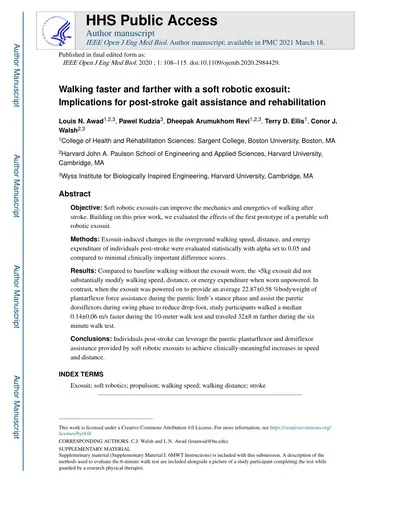
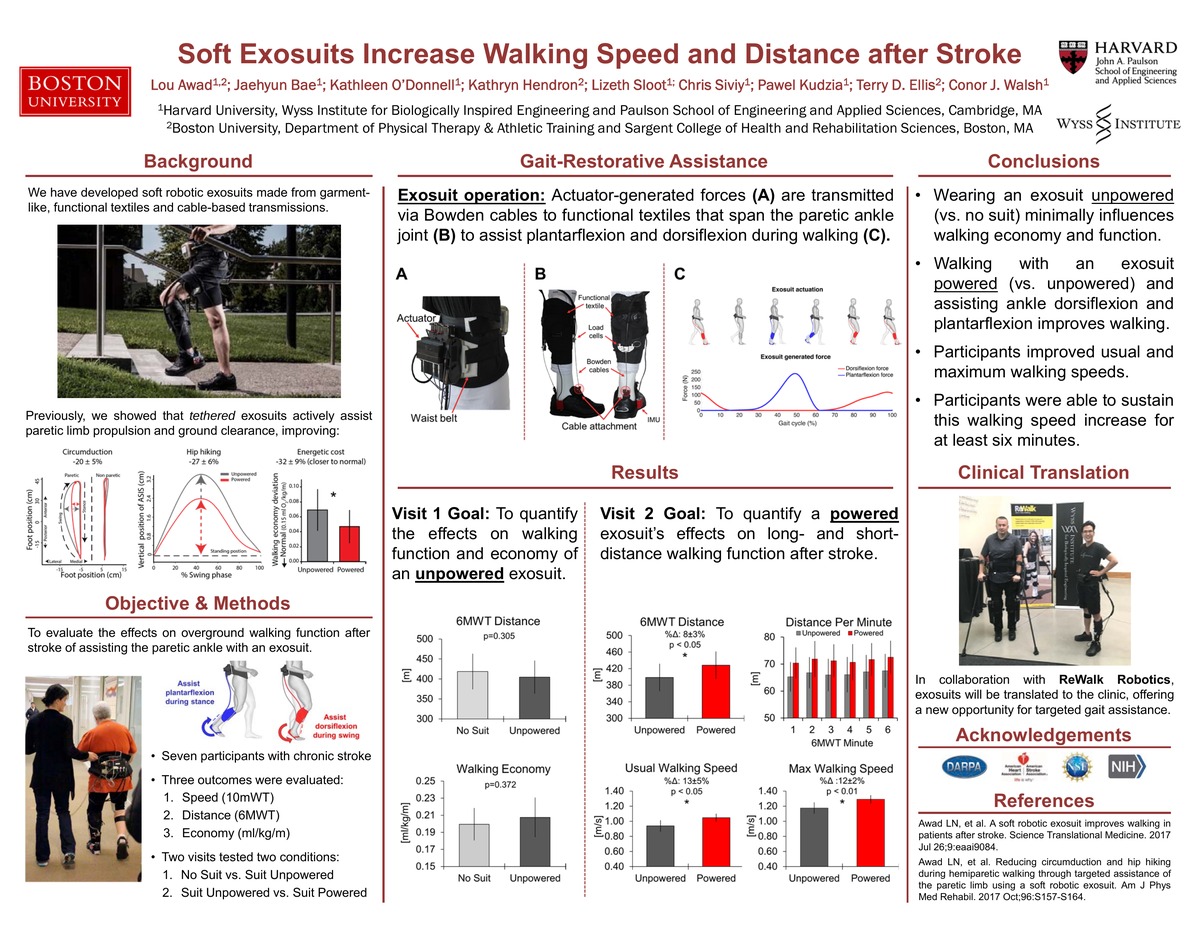
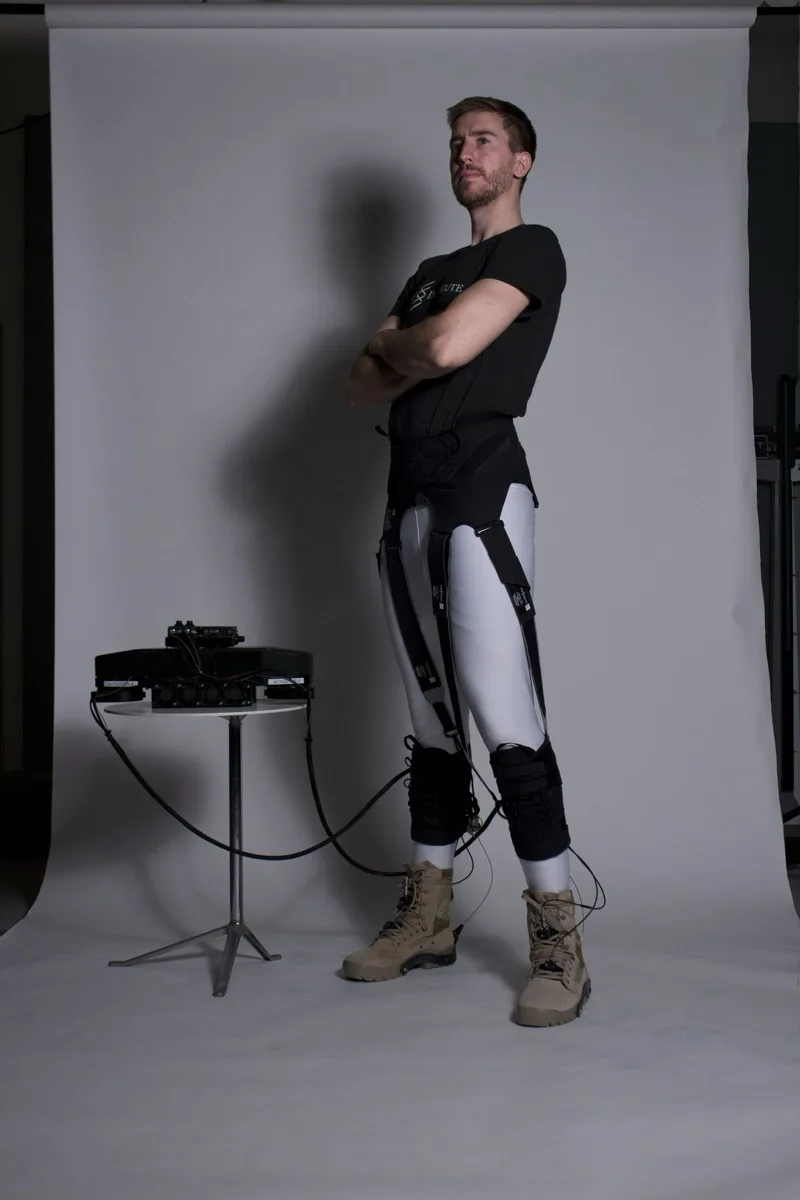
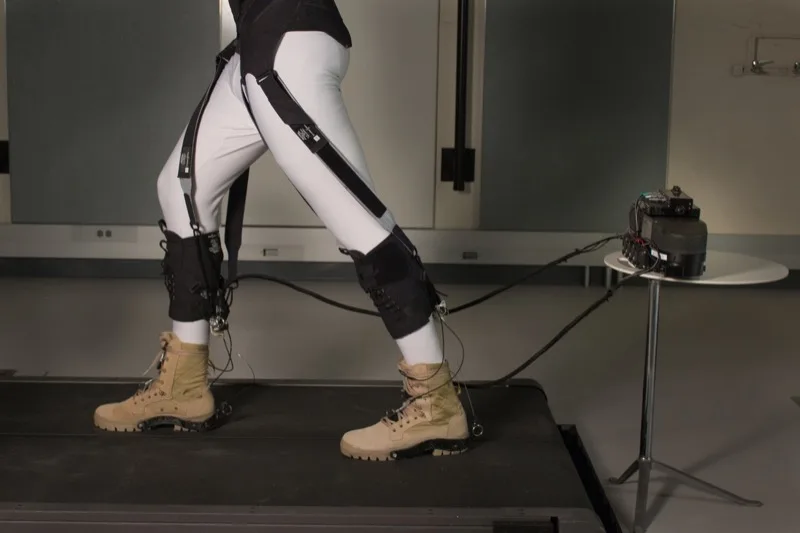
Ran clinical trials testing a wearable soft robot on stroke survivors. Measured gait improvements across speed, distance, and metabolic cost. Managed participant recruitment and data collection.
Awad L., Kudzia P., Revi D., Ellis T., Walsh C. IEEE Open Journal of Engineering in Medicine and Biology, 1, 108-115. 2020
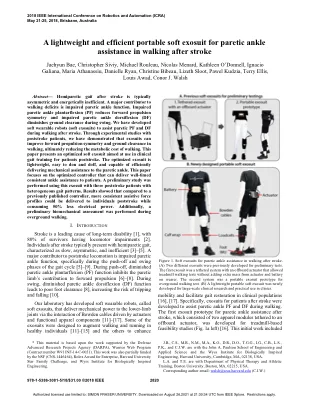
Developed and tested a portable soft exosuit for ankle assistance. Integrated sensors, actuators, and control systems into a lightweight wearable package for use outside the lab.
Bae J., Siviy C., Rouleau M., Menard N., O'Donnell K., Galiana I., Athanassiu M., Ryan D., Bibeau C., Sloot L., Kudzia P., Ellis T., Awad L., Walsh C. IEEE ICRA, Brisbane, Australia. 2018Best Paper Award - Medical Robotics
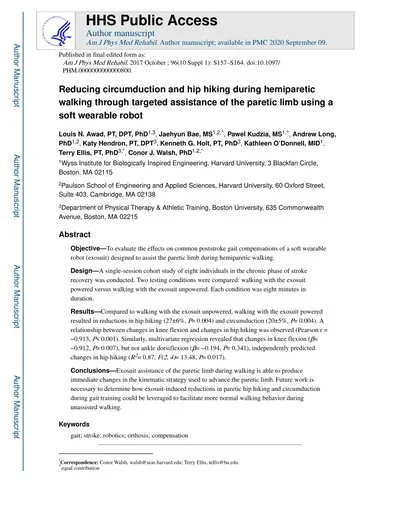
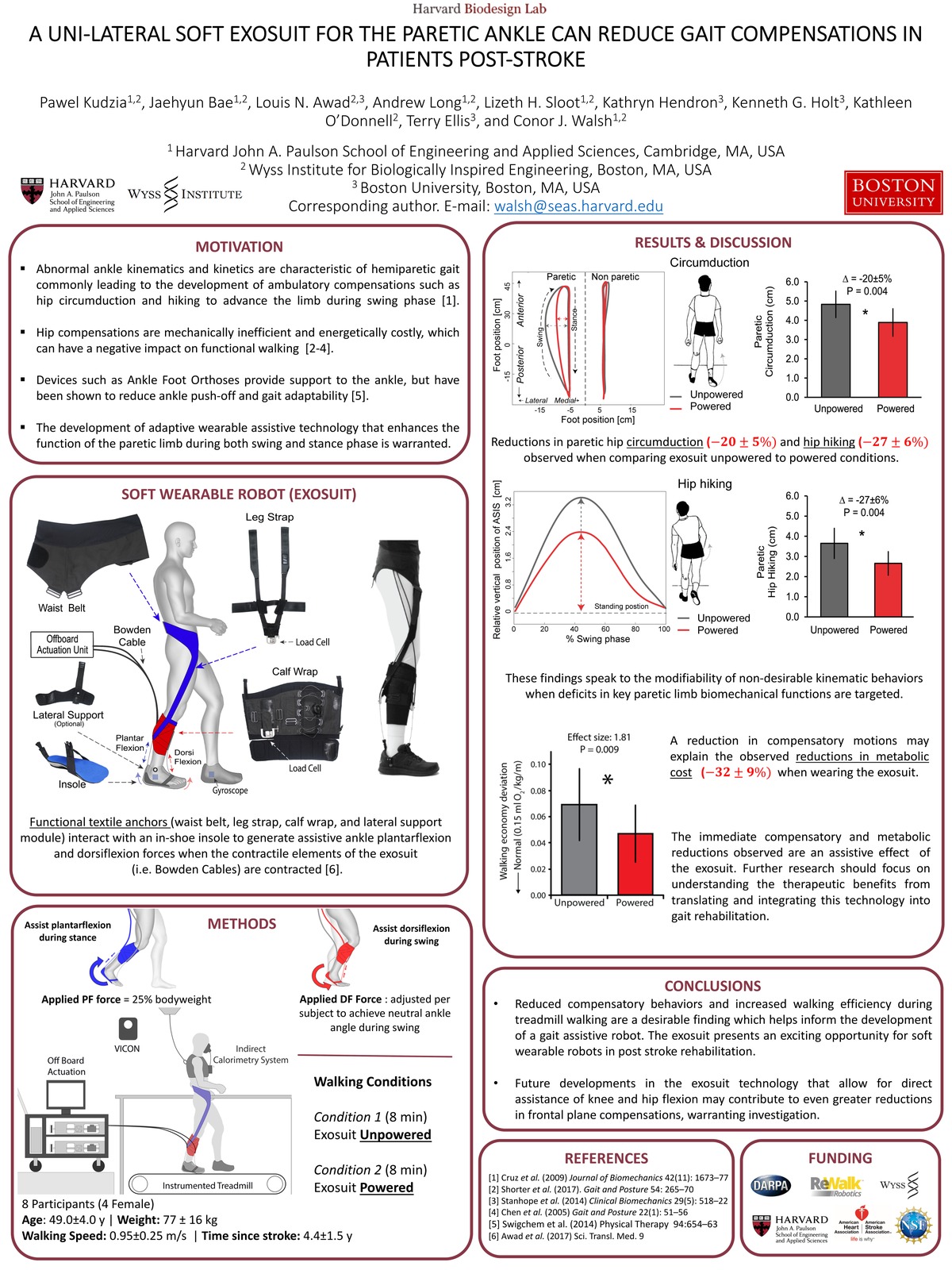
Led clinical experiments testing how a soft exosuit reduces abnormal walking patterns after stroke. Collected motion capture, EMG, and metabolic data across multiple gait conditions.
Awad L., *Bae J., *Kudzia P., et al. American Journal of Physical Medicine & Rehabilitation, 96(10 Suppl 1), S157–S164. 2017(*equal contribution)
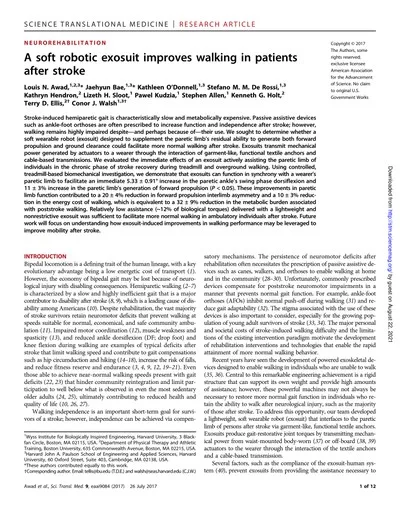
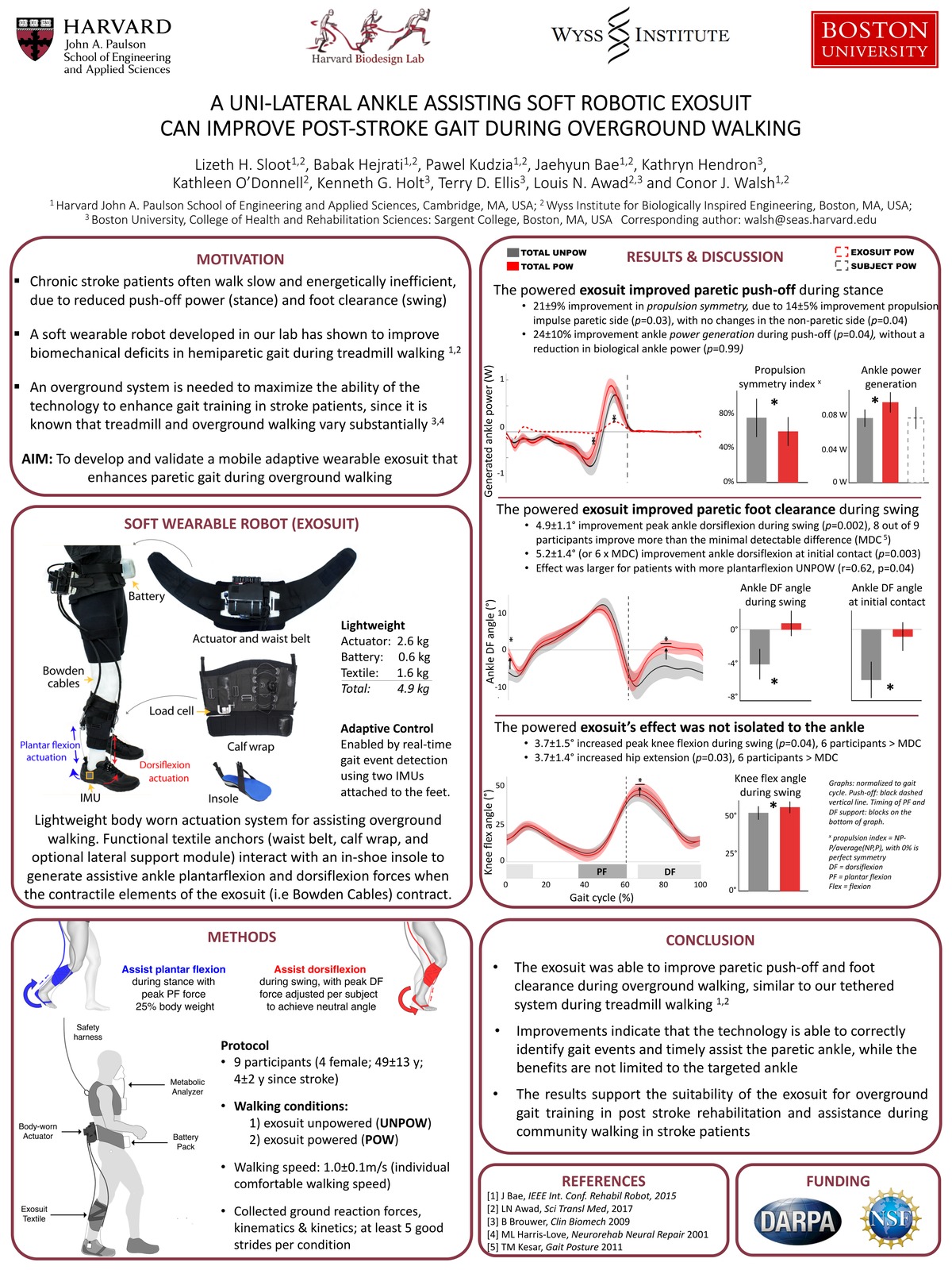
Part of the team that built and validated a soft wearable robot for stroke rehabilitation at Harvard. Ran gait analysis experiments in the lab and community settings.
Awad L., Bae J., O'Donnell K., ..., Kudzia P., et al. Science Translational Medicine 9(400). 2017
Oral presentations at international conferences and research symposia. Posters listed separately.
2026
Validating wearable IMU stride length algorithms across graded dual-task walking conditions in older adults with mild cognitive impairment Oral
Kudzia P. UBC Balance and Falls Research Centre Inaugural Research Symposium, Vancouver, Canada. 2026July 10, 2026 · Gateway Health Building
Video analysis of human lateral head impacts reveals muscle co-contraction reduces head excursion relative to torso Oral
Kudzia P., Booth G.R., Reynier K., Panzer M., Cripton P. World Congress of Biomechanics, Vancouver, Canada. 2026AbstractJuly 12, 2026 · 09:30–10:40 · West 205–207 · Session OA32, Experimental Modeling of Injury II
Field-based biomechanical analysis of ski mountaineering using smartphone video and open-source pose estimation Oral
Kudzia P., Clements N., Cripton P. World Congress of Biomechanics, Vancouver, Canada. 2026AbstractJuly 12, 2026 · 11:30–12:40 · West 301 · Session OA42, Field Assessment
2025
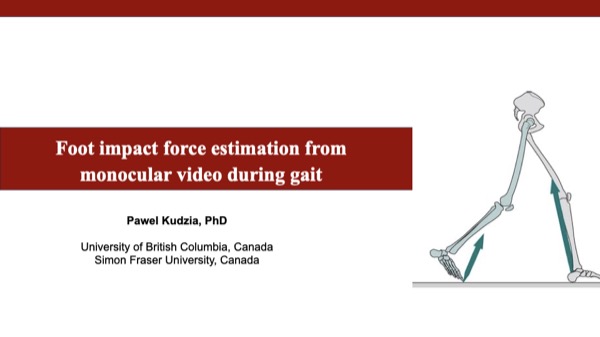
Estimating ground reaction forces of gait at various walking speeds from video data Oral
Kudzia P., Wu K., Cripton P. ISB 2025, Stockholm, Sweden. July 2025Slides
Advancing biomechanical estimation techniques for ski mountaineers in natural mountain environments Oral
Clements N., Kudzia P. West Coast Biomechanics Conference, Vancouver. May 2025
2024
AI in biomechanics Oral
Kudzia P., Bajic I., Donelan M. IncreaseBC, BC Children's Hospital, Vancouver. April 2024Best Oral PresentationSlides
2021
Characterizing the control of human leg external forces Oral
Kudzia P., Robinovitch S., Donelan M. Canadian Society of Biomechanics. Virtual Conference2021
2020
The limits of controlling external force vectors Oral
Portable soft exosuit for paretic ankle assistance in overground walking after stroke Oral
Bae J., Siviy C., Rouleau M., Menard N., O'Donnell K., Galiana I., Athanassiu M., Ryan D., Sloot L., Kudzia P., Ellis T., Awad L., Walsh C. Dynamic Walking, Pensacola, FL. 2018
A lightweight and efficient portable soft exosuit for paretic ankle assistance in walking after stroke Oral
Bae J., Siviy C., Rouleau M., ... Kudzia P., et al. IEEE ICRA, Brisbane, Australia. 2018Best Paper Award in Medical RoboticsPaper
2017
A uni-lateral soft exosuit for the paretic ankle can reduce compensations related to post-stroke gait Oral
Kudzia P. PhD Thesis. Simon Fraser University, School of Engineering Science. Supervisor: Dr. Maxwell Donelan. 2023
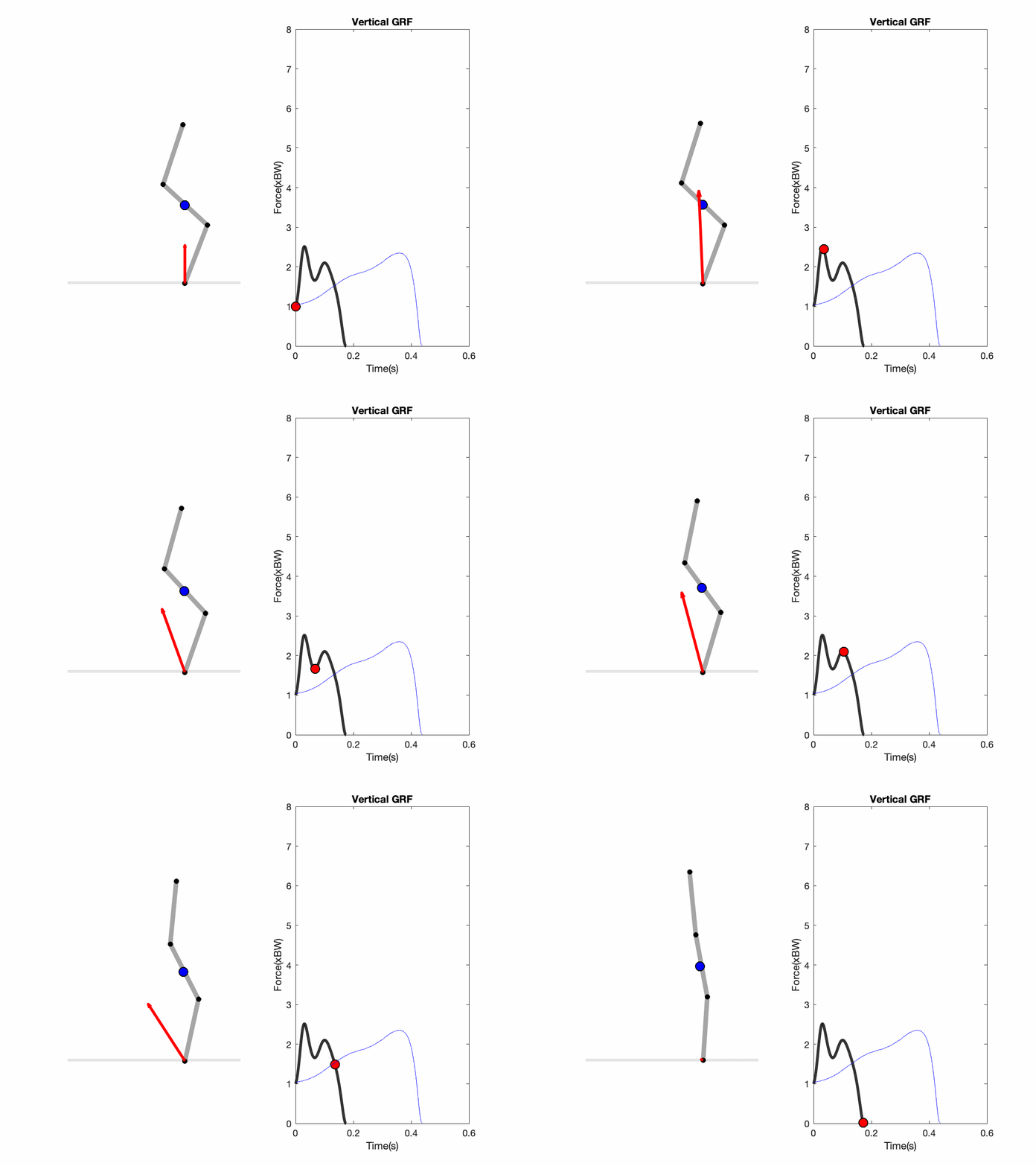
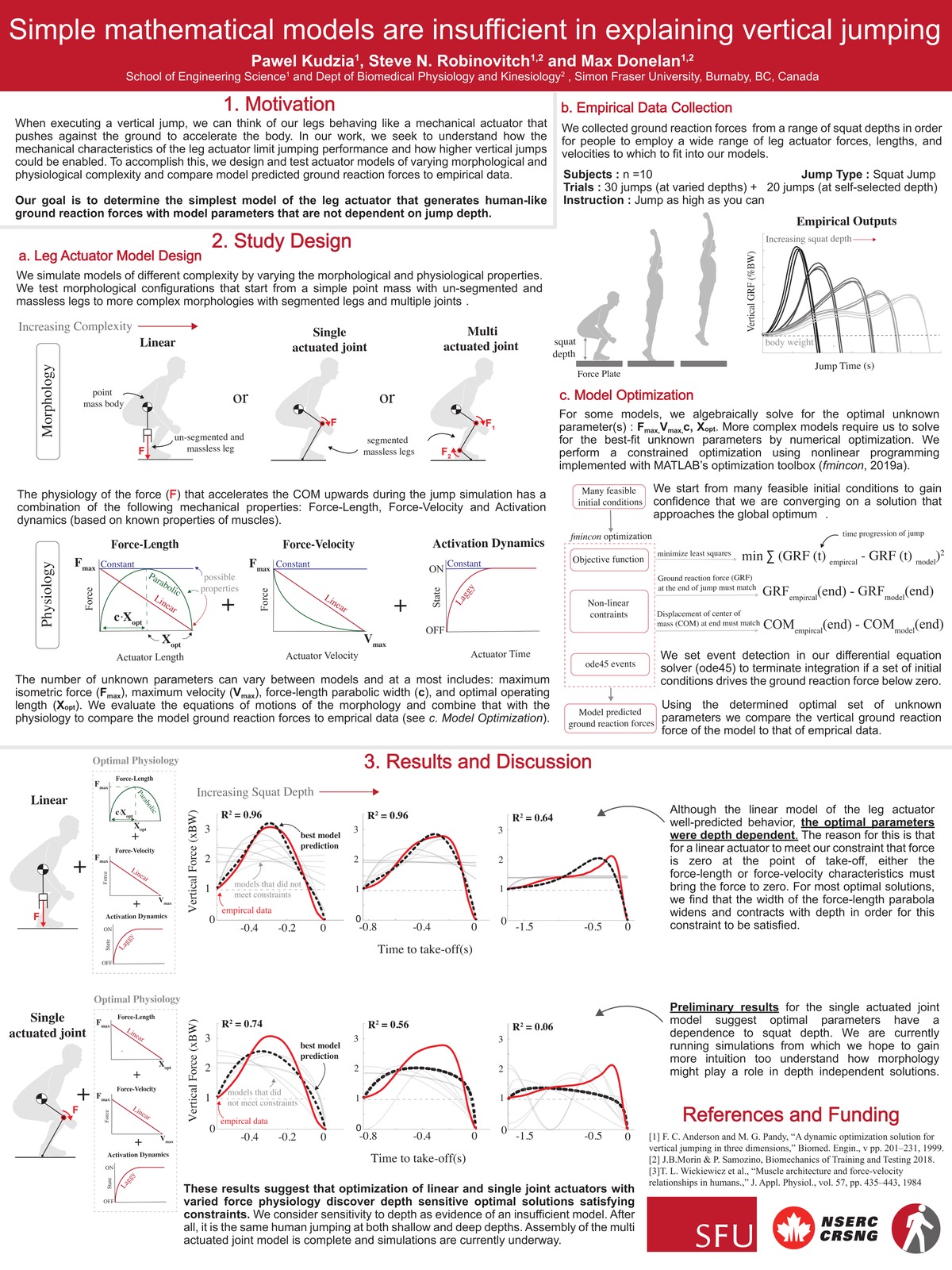
Developed computational models to measure the forces your body produces when walking, running, and jumping, without expensive lab equipment. Combined biomechanical modelling, machine learning, and wearable sensors to predict ground reaction forces from simple motion data.
Kudzia P. MASc Thesis. Queen's University, Department of Mechanical and Materials Engineering. Supervisor: Dr. Geneviève Dumas. 2015
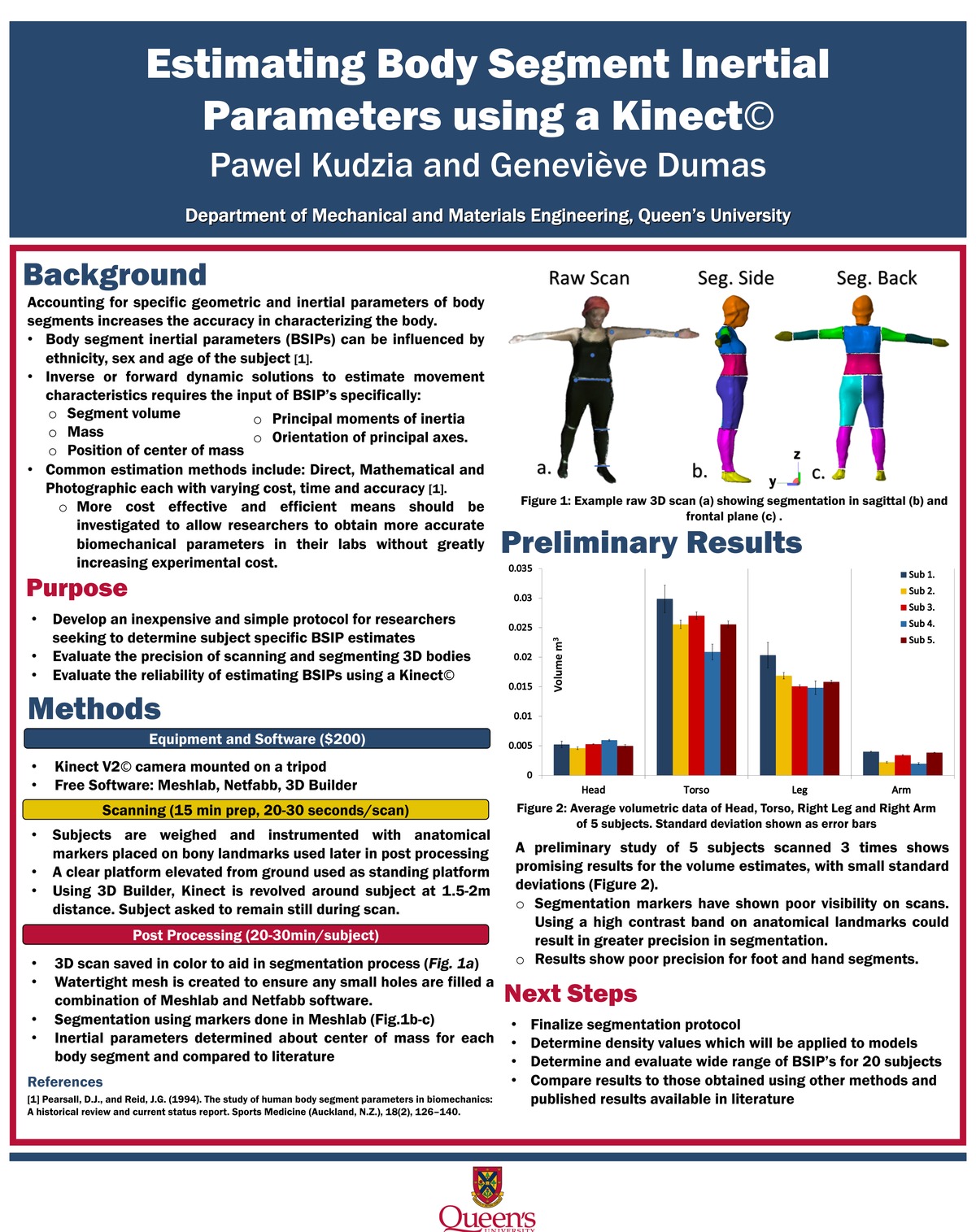
Built a low-cost system using a Microsoft Kinect depth camera to estimate the mass, center of mass, and inertia of individual body segments. These measurements traditionally require expensive motion capture labs. Validated the approach against gold-standard methods for use in clinical and field settings.
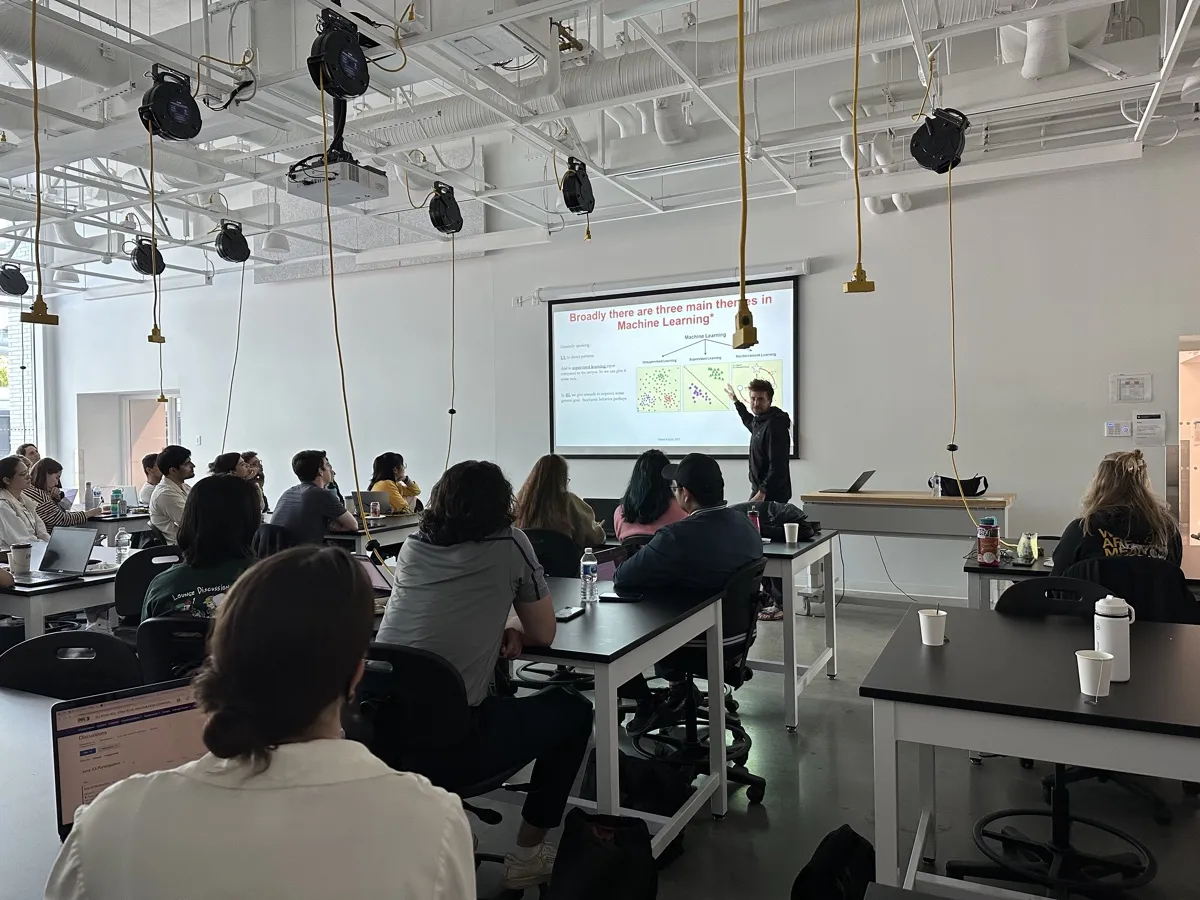
I design courses that connect engineering fundamentals to real research problems. Students collect and analyze their own biomechanics data, build computational models, and present findings. They practise the same workflow they will use as engineers and researchers. I have also supervised undergraduate thesis students across UBC, SFU, and Harvard, with projects in sports computer vision, pose estimation, exosuit gait analysis, and wearable sensor validation.
8
Courses
300+
Students
4.7
Avg. Eval (/5)
20+
Supervised
Course Instructor · UBC · 2023-2025
BMEG 230 · Instructor · Fall 2023, Fall 2024 · 4 credits
Application of mechanics to biological systems. Three major units: statics in biomechanics (free body diagrams, joint forces, muscle force estimation), dynamics in biomechanics (kinematics, kinetics, inverse dynamics, gait analysis), and tissue mechanics (bone, cartilage, ligament, tendon). Developed original content and organized 5 hands-on labs.
3D kinematics, gait, balance control, and biomechanical engineering. 4 hands-on labs.
▶
Advanced biomechanics: 3D rigid-body statics and dynamics, 3D gait analysis, indeterminate systems and optimization, biological tissue mechanics (ligaments, tendons, bone, cartilage, spinal discs), computational modeling (musculoskeletal and finite element), and biomechanical experimental methods. Flipped classroom with group activities. Developed original content and organized 4 labs.
3D DynamicsOptimizationFEAMuscle ModelsNeural ControlMotion Capture
Faculty-guided undergraduate research projects in biomechanics and computer vision.
▶
Supervised student research projects across computer vision, pose estimation, and biomechanics. Students proposed research questions, conducted literature reviews, collected and analyzed data, and presented findings. Deliverables included a research proposal, final report, and oral presentation.
Research MethodsLiterature ReviewPose EstimationComputer VisionData Analysis
Anatomy, physiology, and functional analysis of the human body.
▶
Co-instructed course covering human anatomy and physiology from an engineering perspective. Integrated structure-function relationships across the musculoskeletal, cardiovascular, and nervous systems.
AnatomyPhysiologyMusculoskeletalCardiovascularNervous System
Fourth-year capstone design projects supervised through to prototype.
▶
Supervised engineering design groups through fourth-year capstone projects. Students developed biomedical devices from needs finding through functional prototype, including design controls, user testing, and stakeholder presentations.
Motor control, neural rehabilitation, and movement disorders.
▶
Teaching assistant for 11 terms. Covered neural basis of movement control, rehabilitation strategies for neurological conditions, and motor learning principles. Supervised labs and led tutorial sessions.
Motor ControlRehabilitationNeuroplasticityMovement Disorders
BPK 870 · Lab Instructor · SFU · 2018
Experimental Methods in Physiology
Graduate-level experimental methods and physiological measurement.
▶
Laboratory instructor for graduate course covering experimental design, physiological data acquisition, signal processing, and statistical analysis of human physiology data.
Body composition measurement and anthropometric assessment.
▶
Laboratory instructor covering anthropometric measurement techniques, body composition analysis, and estimation of body segment parameters for biomechanical modeling.
Facilitated first-year engineering design teams through structured design process. Guided students in problem scoping, prototyping, and technical communication.
Introduction to programming for first-year engineering students.
▶
Led tutorial sessions teaching programming fundamentals to first-year engineering students. Covered problem solving, algorithm design, and implementation in MATLAB.
Feedforward control, or why movement is less reactive than you think
The brain commits to a movement before it happens. That has quiet but large implications for anyone building wearables, rehab tools, or coaching software.
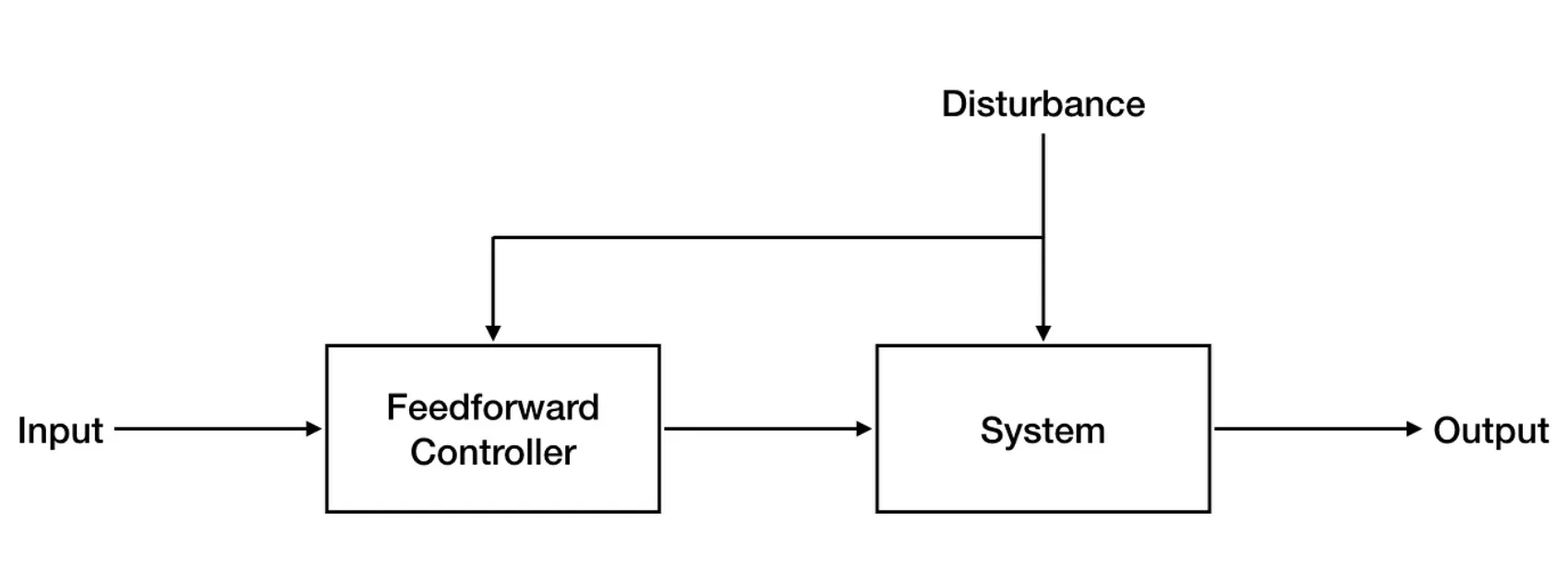
Feedforward control sends motor commands based on a prediction of the upcoming state. Feedback loops correct the prediction when it is wrong, but they arrive late.
The first time I saw a person trip over a cable and catch themselves mid-step, I remember thinking the nervous system was extraordinarily fast. Stimulus, sensor, response, all in a few hundred milliseconds. It was the kind of observation that makes you respect reflexes. What I did not understand yet is that most of what I was watching was not a reflex at all. It was a plan.
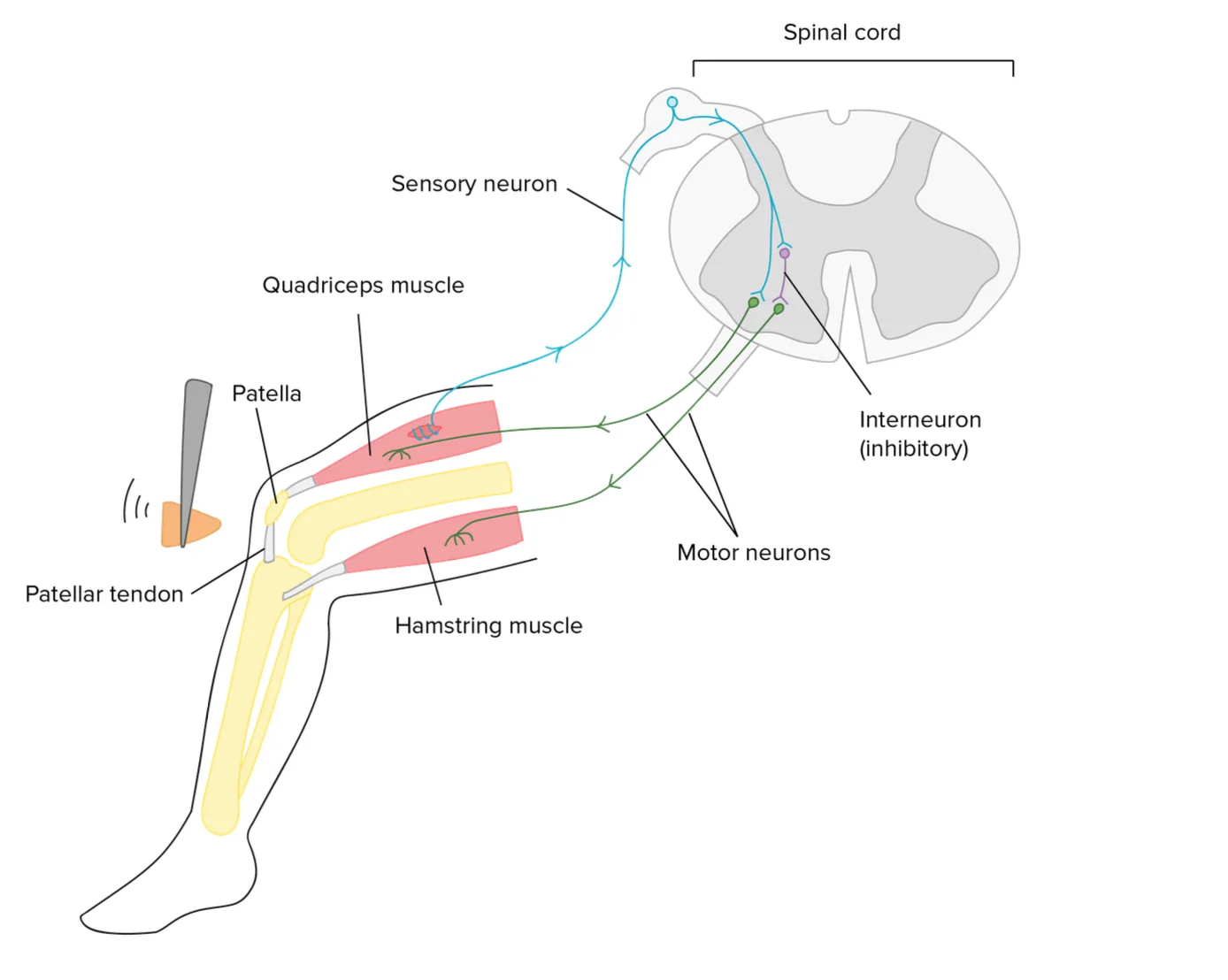
Classical models of movement lean on a reactive picture. A stimulus arrives, a sensor notices it, a signal runs up the spinal cord, the cortex deliberates, and a muscle responds. The latency alone rules that picture out for most of what bodies do. Returning a fast tennis serve requires anticipating its trajectory and preparing a response before all the sensory feedback is available.
Prediction is the main job
The thing the brain is actually doing, most of the time, is predicting. It builds an internal model of the body and the environment, forecasts the next slice of time, and sends motor commands that are already tuned to what it expects. Sensory feedback comes back late, but the prediction has given the muscles a head start. If the prediction is wrong, feedback corrects it. If it is right, the movement looks effortless and the feedback is almost unused.
This is feedforward control. It is not a replacement for feedback. It is the scaffold that feedback hangs on.
Movement is less like a thermostat reacting to temperature and more like a forecaster who has already packed a raincoat.
Why biomechanics researchers should care
If you only study the muscle activations that follow a perturbation, you miss the part of the nervous system that decided what to do before the perturbation arrived. Pre-activation patterns in the lower limb before heel strike, co-contraction patterns the moment before a ball is caught, postural adjustments that precede a voluntary arm lift. These are the signature of a system that is predicting, not reacting. They are small, they are early, and they are easy to miss if your analysis starts at the event instead of before it.
Most of my favorite findings in this area come from running and hopping experiments where muscle activity is measured during the swing phase, well before the foot hits the ground. The timing of that activation tells you how stiff the leg is going to be at impact. That stiffness, in turn, shapes ground reaction forces, injury risk, and energetic cost. All of it is decided before contact.
Why this matters for wearables
The practical consequence is awkward for the wearables field. Most devices that promise to coach movement or prevent injury are reactive by design. They measure what already happened, classify it, and feed something back to the user a few seconds later. By the time the notification lands, the brain has moved on to planning the next three steps.
A more honest version of the problem is this: if we want a wearable to actually change movement, it has to engage with the planning layer, not just the output layer. That means either surfacing signals a person can internalize over many repetitions (so the prediction itself changes), or catching the earliest hint of a motor command before it executes. Electromyography, eye-gaze, and posture shifts are candidates for the latter. None of them are easy.
What I am circling
I keep coming back to this question because it touches almost everything I work on. My three research themes (video to biomechanics, lab to field, and the fundamentals of force control) all sit on the same substrate. You cannot build good measurement tools without knowing what a body is doing; and a body is rarely doing what the last millisecond of data implies.
Research ScientistUniversity of Victoria · 2025–Present
Aging, Clinical Gait & Falls
Developing wearable IMU-based systems for clinical gait assessment and fall risk prediction in older adults.
Research ScientistUniversity of British Columbia · 2024–2025
Sports & Injury Biomechanics
Led research on sports injury biomechanics and co-founded CoreMotion, a company developing tools for movement feedback.
PhD, Engineering ScienceSimon Fraser University · 2023
Engineering & Physiology
Characterized how people control external leg forces and developed computational models of legged movement.
MASc, Mechanical Eng.Queen's University · 2015
Biomedical Engineering
Developed a low-cost depth-camera system to estimate body segment mass and inertia properties, evaluated against reference measurements.
Research FellowshipHarvard University · 2015–2017
Exoskeletons & Robotics
Quantified the rehabilitative effects of soft robotic exosuits for stroke survivors at the Biodesign Lab and Wyss Institute for Biologically Inspired Engineering.
BEng, Mechanical Eng.Queen's University · 2013
Biomechanics
Foundation in mechanical design, dynamics, and human biomechanics. Capstone project in ergonomic analysis and motion capture.
About
I combine biomechanics, engineering, and data-driven modeling to measure, restore, and improve human mobility. I bring more than 10 years of research experience, including roles at Meta, Harvard, lululemon, and UBC. My work spans human-subject studies, wearable validation, and findings published in Science Translational Medicine.
I co-founded CoreMotion, where we’re developing tools to help people understand and improve how they move. As CTO, I lead product engineering and development.
I have taught biomechanics at UBC and supervise undergraduate research projects in computer vision and machine learning.
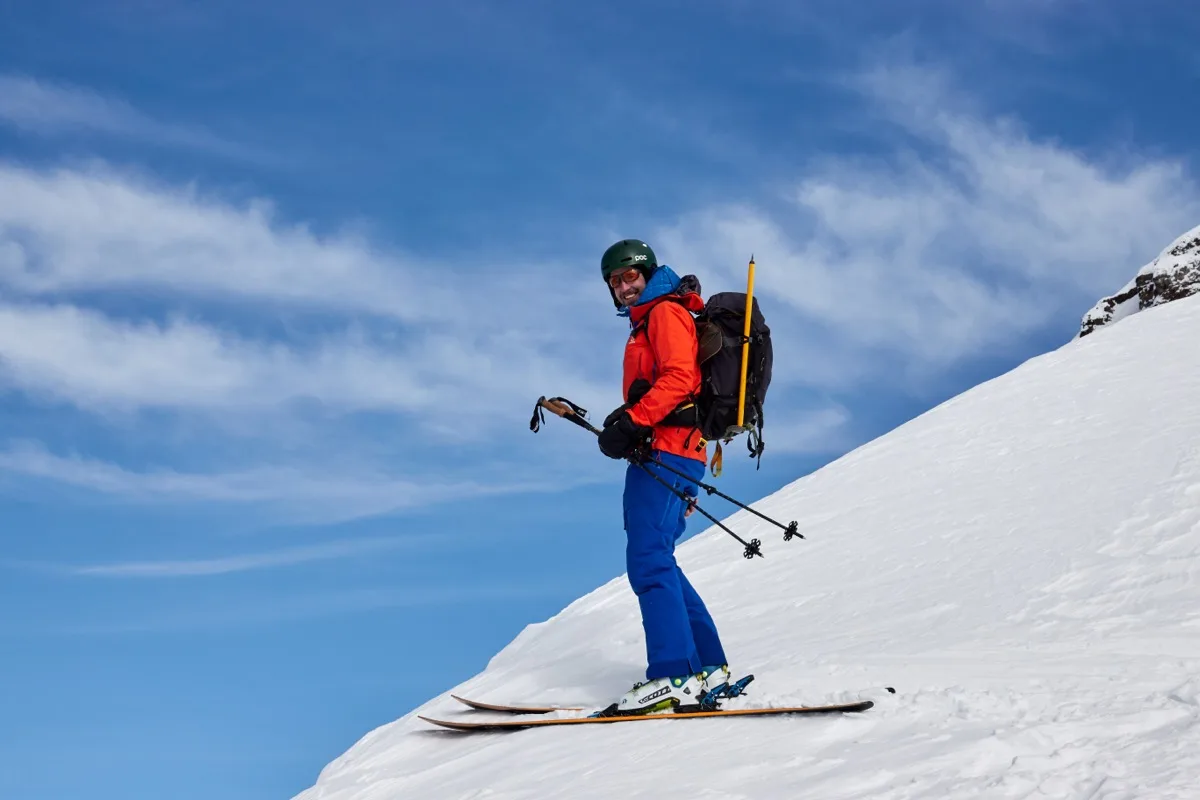
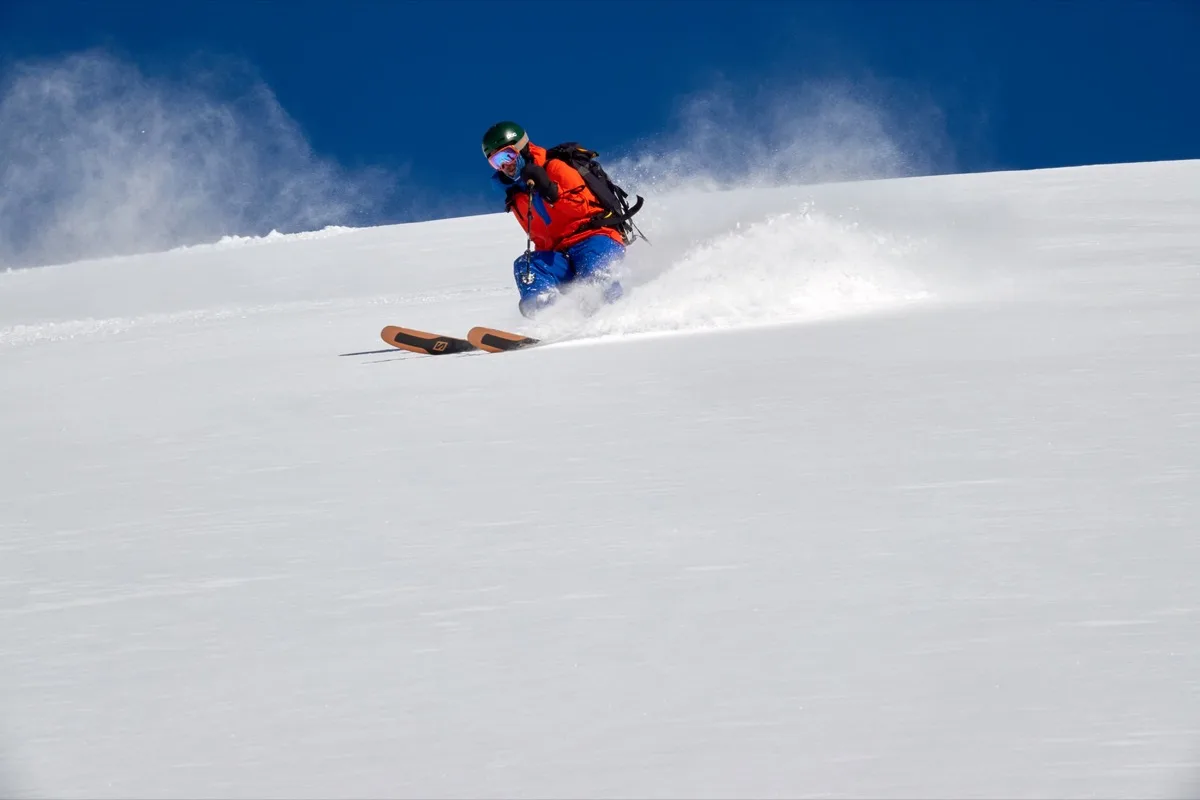
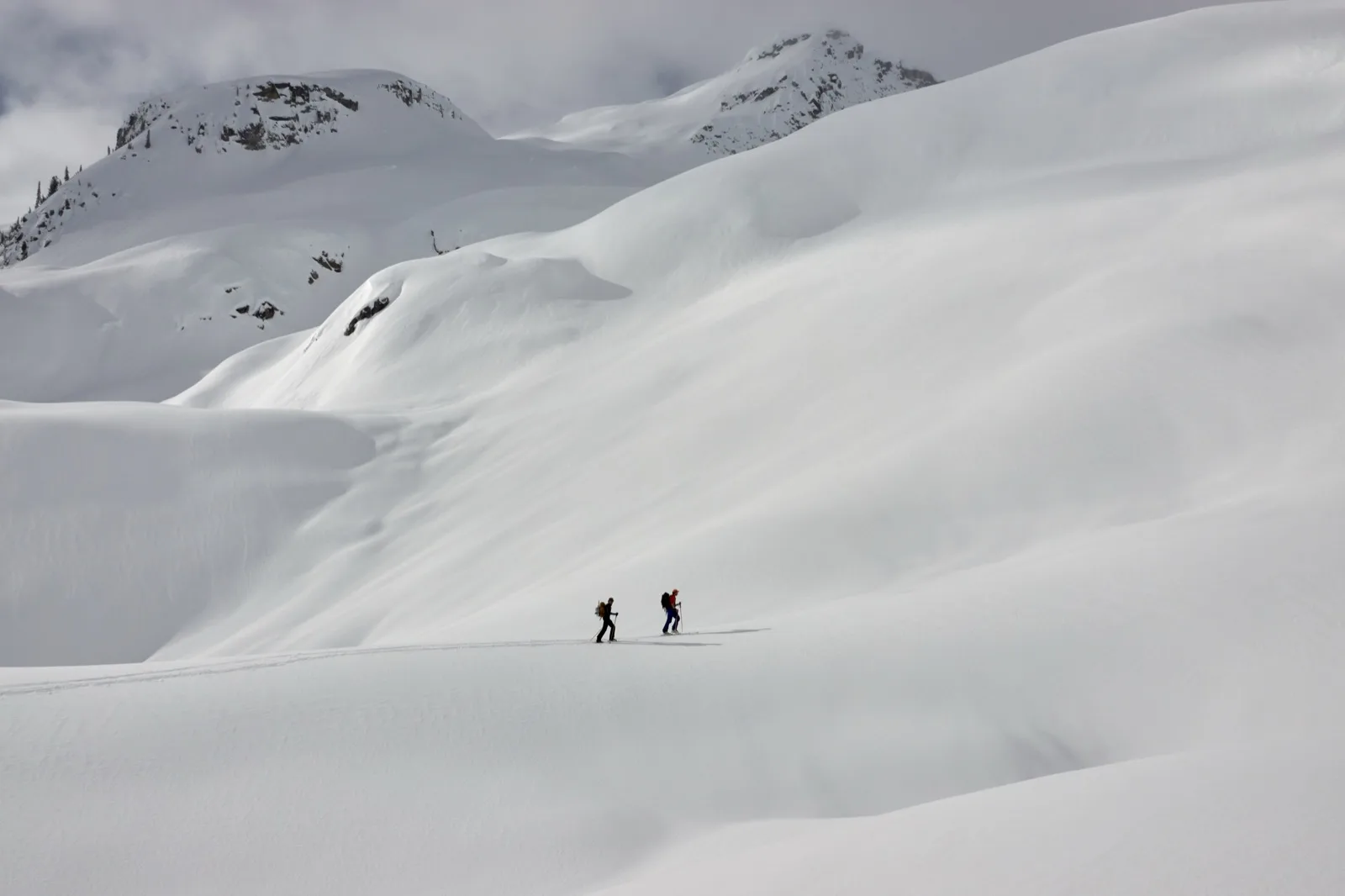
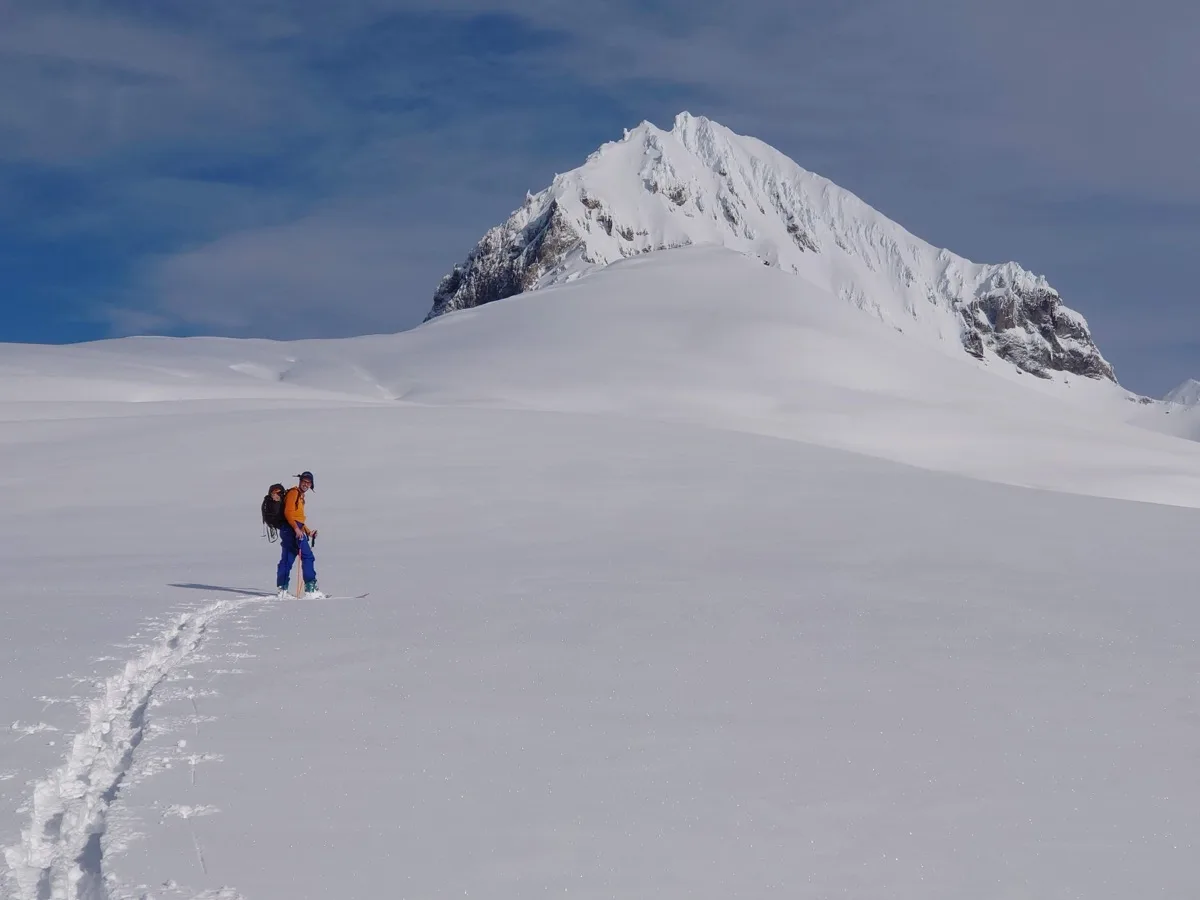
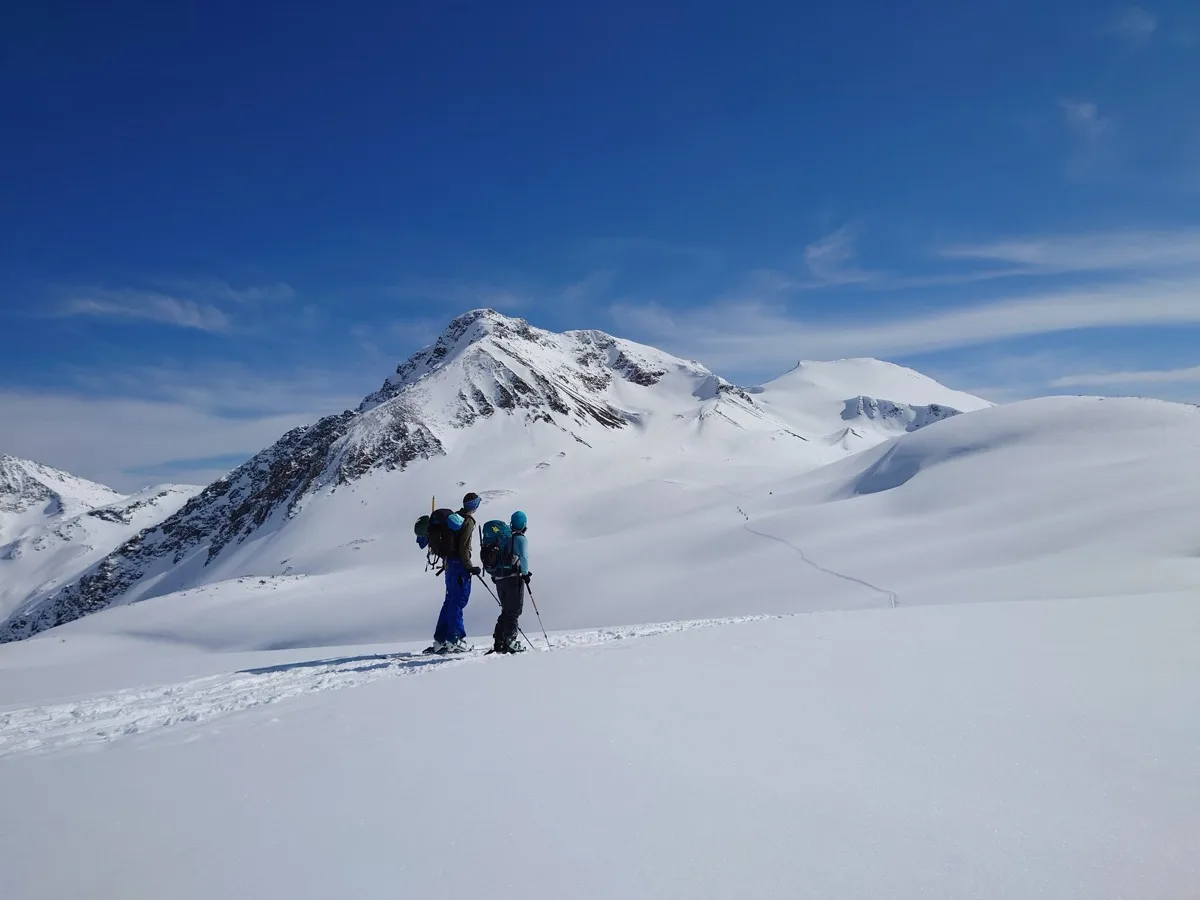
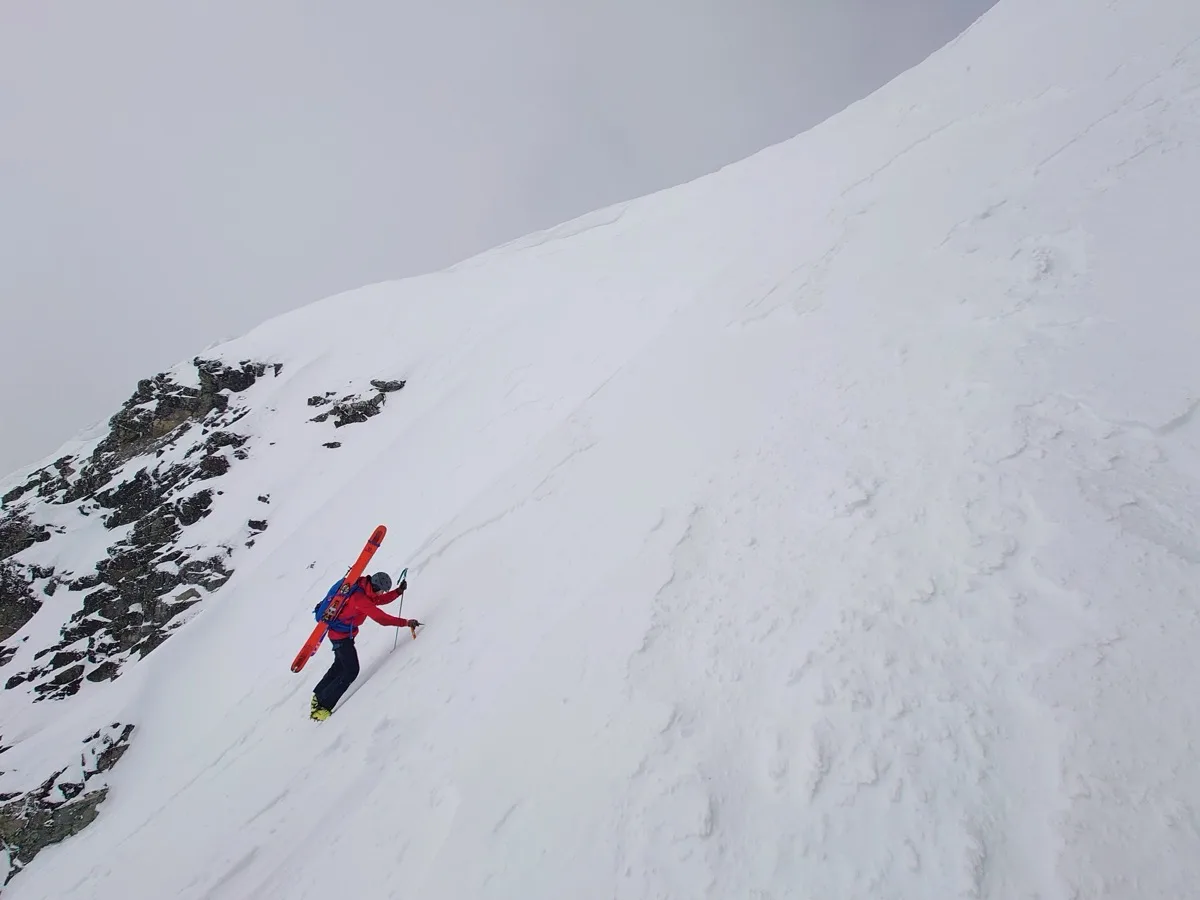
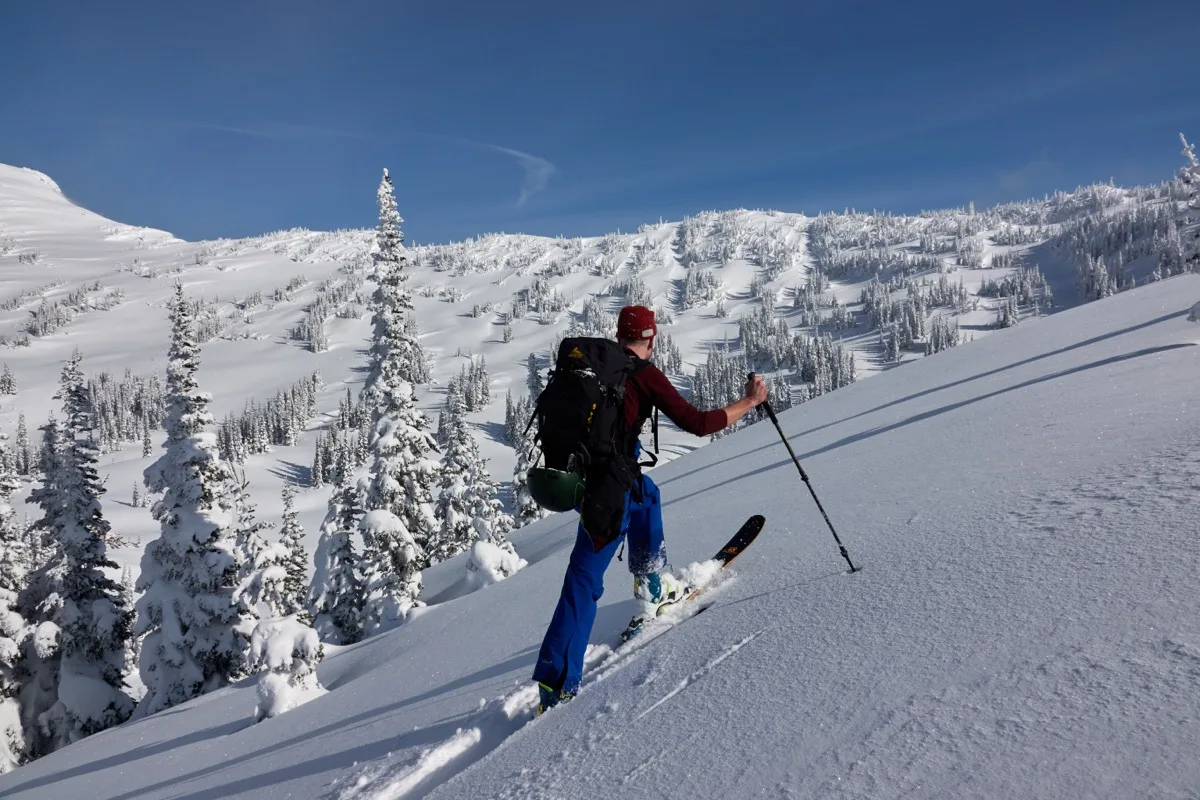
Outside the lab, I pursue endurance sports: trail ultra-marathons, ski mountaineering, climbing, and mountain biking in British Columbia's Coast Mountains.